
Disposal Techniques For Electronic Waste

Electronic waste has become an increasingly common sight in our landfills, and the resulting toxins from these discarded devices can have potentially disastrous effects on our environment. But while many people feel helpless when it comes to eliminating their eWaste, there are ways to properly dispose of outdated gadgets or devices that no longer work – without causing harm to the environment. In this blog post, we will discuss a few methods of safely disposing of electronic waste, as well as how you can do your part to reduce eWaste in the future. What Are the Top Environmental Problems with eWaste? When it comes to electronic waste, or eWaste, there are a variety of environmental problems that can arise. eWaste can contain a number of harmful materials, including lead, cadmium, and mercury. If not disposed of properly, these materials can leach into the soil and water, causing contamination. In addition, eWaste is often shipped to developing countries where it is dumped in landfills. This can cause serious pollution problems as the toxins from the eWaste leach into the ground and enter the water supply. The best way to avoid these environmental problems is to recycle your eWaste. There are a number of companies that specialise in recycling eWaste, and they will ensure that the harmful materials are disposed of properly. How Can We Prevent It? There are many ways to prevent electronic waste, but the most effective way is to recycle. Recycling eWaste helps to conserve resources and prevent pollution. The first step in recycling eWaste is to find a certified e waste recycling company. These companies have the proper equipment to safely recycle and reuse materials from electronic products. You can search for certified recyclers in your area on the EPA’s website. Once you have found a certified recycling company, you can either drop off your old electronics at their facility or mail them in. Some companies may even offer pick-up services. Be sure to check with the recycler beforehand to see what type of packaging they require for safe transport. After your electronics have been properly recycled, you can feel good knowing that you’ve done your part to help the environment! Proper Disposal Techniques for Electronic Waste When it comes to electronic waste, there are a few proper disposal techniques that should be followed in order to ensure that the waste is properly disposed of. One of the most important things to do when disposing of electronic waste is to make sure that the waste is properly recycled. There are a few different ways to recycle electronic waste, and each method has its own benefits and drawbacks. Donate or Sell: One of the easiest ways to dispose of electronic devices is by donating them to charitable organisations or selling them to a reputable buyer. This not only reduces e-waste but also allows others to benefit from the devices. Recycling: Recycling is another effective way of managing eWaste. Recycling involves breaking down the components of electronic devices into their raw materials and reusing them to manufacture new products. Many cities have recycling centres that specialise in electronic waste, making it easy to dispose of your unwanted devices. Manufacturer Take-Back Programs: Many electronic manufacturers offer take-back programs where they take back their products for recycling or proper disposal. These programs ensure that the devices are disposed of safely and responsibly. Proper Disposal: If none of the above options are available, it is crucial to dispose of electronic devices properly. This involves finding a licensed eWaste disposal centre that adheres to local and national regulations for eWaste management. Last but not least Electronic waste is a growing concern that requires responsible management. By adopting proper disposal techniques, we can minimize the impact of eWaste on our environment and health. Whether through donation, recycling, or proper disposal, every effort counts towards reducing eWaste and promoting sustainable practices. Disposing of electronic waste correctly is important to ensure that it does not end up in landfill and cause environmental damage. With Namo eWaste, you can be sure that your old electronics will be recycled responsibly and safely. Their disposal techniques are reliable and efficient, meaning that you no longer have to worry about how to dispose of your unwanted electronics. If you’re looking for an eco-friendly way to recycle your electronics, look no further than Namo eWaste!
How is eWaste harmful to human health?
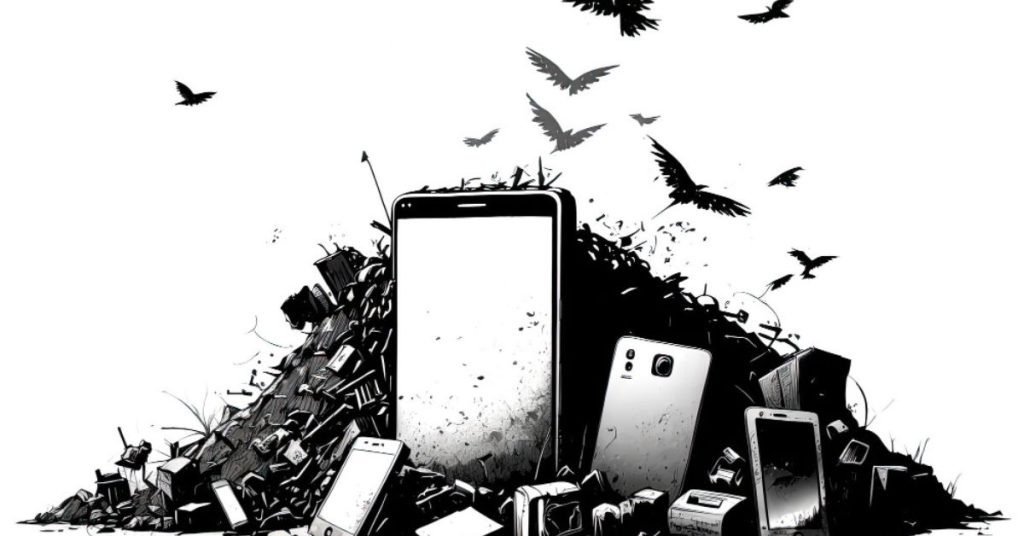
Did you know that the sleek electronic device in your hand or on your desk could be a ticking time bomb for your health and that the digital world we live in is contributing to a looming health crisis? As we embrace new technology and upgrade our electronic devices, the discarded ones are piling up, posing serious risks to human health. In a world where our dependence on technology is increasing at an exponential rate, it’s easy to forget about the impact that our electronic devices have on both the environment and our own health. In this blog, we will explore why eWaste is harmful and its negative effect on human health. Why is eWaste Harmful? As our world becomes more and more digital, electronic waste (eWaste) has become an increasingly significant problem. eWaste refers to any electronic device that is discarded or no longer functional, such as computers, televisions, and cell phones. Unfortunately, it’s not just a matter of environmental concern; it can also have serious harmful effects on human health. E-waste contains a variety of toxic materials that can pose serious health risks to humans. These include lead, cadmium, mercury, and brominated flame retardants. When these materials are released into the environment, they can contaminate the soil, water, and air. This can lead to a variety of harmful effects on human health, including respiratory problems, neurological disorders, and cancer. Effects of eWaste on Human Health E-waste isn’t just a matter of environmental concern; it can also have serious harmful effects on human health. Here are some of the most significant effects of eWaste on human health: Exposure to toxic chemicals: Many electronic devices contain hazardous materials such as lead, mercury, and cadmium. One of the most significant harmful effects of eWaste is the release of lead into the environment. Lead is commonly found in the circuit boards of electronic devices, and when these devices are discarded, the lead can leach into the soil and water. Cancer: Another harmful material found in eWaste is cadmium. This toxic metal is commonly found in batteries, and exposure to cadmium can lead to lung damage, kidney disease, and cancer. Exposure to certain chemicals found in eWaste, such as dioxins, can increase the risk of cancer. The World Health Organization (WHO) has classified dioxins as a known human carcinogen. Reproductive problems: Brominated flame retardants are another class of toxic chemicals commonly found in eWaste. These chemicals are used to reduce the risk of fire in electronic devices, but they can also be harmful to human health. Exposure to brominated flame retardants has been linked to thyroid disorders, reproductive problems, and developmental delays. Neurological problems: Exposure to lead can cause serious neurological damage, particularly in children, and can lead to developmental delays, learning disabilities, and behavioral problems. As well mercury, which is found in older-style televisions and fluorescent light bulbs, can cause neurological damage, especially in foetuses and young children. Causes of eWaste production To summarise the above effects, here are ten specific examples of how eWaste is harmful to human health: Exposure to lead, mercury, and cadmium found in eWaste can lead to neurological damage, kidney damage, and brain damage, respectively. Toxic fumes released from burning eWaste can cause respiratory problems such as asthma and bronchitis. The blue light emitted by electronic devices can interfere with the body’s natural sleep cycle, leading to insomnia and other sleep disorders. Exposure to toxic chemicals such as lead and cadmium found in eWaste can lead to infertility and other reproductive problems. Exposure to certain chemicals found in eWaste, such as dioxins, can increase the risk of cancer. Improper disposal of eWaste can contaminate the soil and water, contaminating the food chain and posing a significant risk to human health. eWaste recycling and disposal practices can release harmful gases such as chlorofluorocarbons (CFCs) that contribute to ozone depletion and global warming. Children living near informal eWaste recycling practices are especially vulnerable to the harmful effects of eWaste due to their developing immune systems and greater exposure. Exposure to the heavy metals found in eWaste can cause damage to the central nervous system and cognitive function The plastic found in electronic devices can release toxic chemicals when burned, leading to serious health problems. These are just a few of the many ways in which eWaste can harm human health. It’s crucial that we take steps to properly manage and dispose of eWaste to minimise its harmful effects. Ending Note In addition to these effects of electronic waste on health, eWaste can also have negative environmental impacts which eventually affect humans and animals in many different ways. When it’s not disposed of properly, it can end up in landfills, where it can take years to break down. During this time, the toxic materials in the eWaste can leach into the surrounding environment, contaminating the soil, water, and air. To mitigate the harmful effects of electronic waste, it is crucial to dispose of electronic devices responsibly. And if you are looking to dispose of electronic devices responsibly and sustainably Namo eWaste is your go-to solution for all your electronic waste needs! Our specialised services include secure data destruction, eWaste recycling, and eco-friendly disposal options. Trust us to dispose of your devices safely, protecting both people and the planet. Make the smart choice and choose Namo eWaste for a sustainable future!
From Toxic Trash to Sustainable Solutions: Tackling the Environmental Impact of eWaste
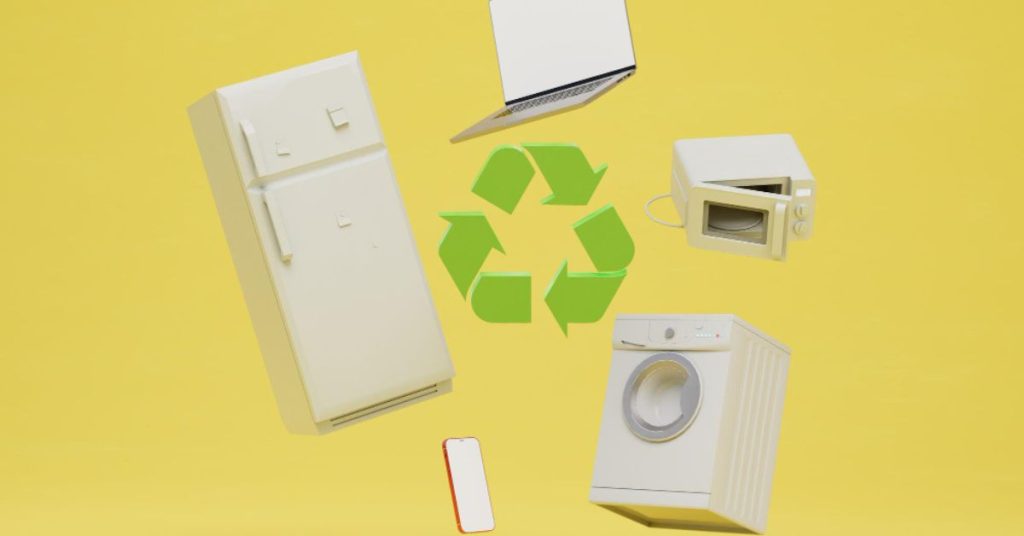
Our insatiable appetite for the latest and greatest gadgets has given rise to a growing monster known as eWaste – a menacing electronic beast lurking in our digital lives, waiting to be discarded and left to rot in landfills, poisoning the earth with a toxic brew of chemicals and heavy metals. In today’s digital age, we are all surrounded by electronic gadgets, from our smartphones to laptops, and televisions to refrigerators. However, as we continuously upgrade to newer models, our old electronic devices often end up in landfills, leading to severe environmental consequences. Electronic waste, or eWaste, is a growing problem globally, and its impact on the environment is a cause for concern. In this blog post, we’ll explore the environmental impacts of eWaste and discuss some sustainable solutions to tackle this problem. Understanding eWaste Electronic devices that have reached the end of their usable lives are referred to as “eWaste.” This includes devices like laptops, mobile phones, televisions, printers, gaming systems, and other electronic devices. As technology continues to advance at an accelerated rate and consumers frequently replace their outdated devices with newer, more sophisticated models, eWaste is an issue that is spreading quickly across the globe. When electronic waste is not properly disposed of, it can release toxic chemicals and heavy metals into the environment, presenting a significant health risk to people, animals, and ecosystems. E-Waste: What does it consist of? eWaste is a treasure trove of valuable materials that can be reused and recycled. However, it also contains hazardous and toxic chemicals that can harm the environment and human health. eWaste includes electronic devices such as smartphones, laptops, televisions, and other gadgets. These devices contain materials such as copper, gold, silver, and other metals, as well as plastic, glass, and other materials. However, they also contain toxic chemicals such as lead, mercury, cadmium, and chromium, which can be harmful to the environment and human health. These toxic materials can seep into the soil and groundwater, causing severe damage to the ecosystem. Knowing what’s contained in eWaste is crucial to finding sustainable solutions to this growing problem. By recycling and reusing these valuable materials while safely disposing of toxic chemicals, we can reduce the impact of eWaste on the environment and create a more sustainable future. Causes of eWaste production The problems of eWaste are incredibly serious and far-reaching. eWaste is a rapidly growing problem, with over 53 million metric tons generated globally in 2019 alone. This poses a significant threat to the environment and human health. Electronic devices contain hazardous and toxic chemicals such as lead, mercury, and cadmium, which can cause serious harm to the environment and human health when not disposed of properly. Moreover, the improper disposal of electronic devices can lead to the contamination of soil and water sources, resulting in environmental degradation and health problems. The social and economic impacts of eWaste are also significant, as it affects vulnerable communities, particularly those in developing countries where eWaste is often illegally exported for disposal. The severity of the problems of eWaste cannot be overstated, and urgent action is needed to address this growing problem. By adopting sustainable practices such as recycling and proper disposal of electronic devices, we can mitigate the impact of eWaste and create a cleaner, healthier future. How severe are the eWaste issues? The negative effects of eWaste are significant and far-reaching. eWaste ends up in landfills, where it releases harmful chemicals into the soil and groundwater, causing ecological damage and health problems. Additionally, eWaste incineration releases toxic gases, leading to air pollution and respiratory problems. The social and economic impacts of eWaste are also significant, as it affects vulnerable communities, particularly those in developing countries where eWaste is often illegally exported for disposal. eWaste can also contribute to the depletion of natural resources, as the materials used in electronic devices are often non-renewable. The negative effects of eWaste cannot be ignored, and urgent action is needed to address this growing problem. Moreover, eWaste can also lead to increased energy consumption and carbon emissions, contributing to climate change. The solution to eWaste problems: Namo eWaste Namo eWaste is an innovative solution to the growing problem of eWaste. It is a leading eWaste management company that offers comprehensive eWaste solutions for businesses and individuals. Namo eWaste collects, processes, and recycles electronic devices safely and sustainably, ensuring that hazardous and toxic chemicals are disposed of correctly, and valuable materials are reused. They have state-of-the-art facilities that use the latest technology to recycle eWaste, creating a circular economy that reduces the strain on natural resources. We also offer data destruction services, ensuring that sensitive information is securely erased from electronic devices. By partnering with Namo eWaste, businesses, and individuals can rest assured that their eWaste is handled responsibly and sustainably, creating a cleaner, healthier future for everyone. The solution to eWaste problems lies in adopting sustainable practices such as those offered by Namo eWaste, where eWaste is recycled and reused, reducing the impact on the environment and human health. Small steps towards Sustainability The environmental impacts of eWaste are significant, and we need to take action to tackle this problem. By adopting sustainable solutions such as recycling, reusing, donating, and creating awareness, we can reduce the amount of eWaste generated and preserve our planet’s resources. So, let’s all take a step towards a cleaner and greener future by being responsible and taking care of our electronic devices.
Recycling eWaste: Top Barriers and Solutions
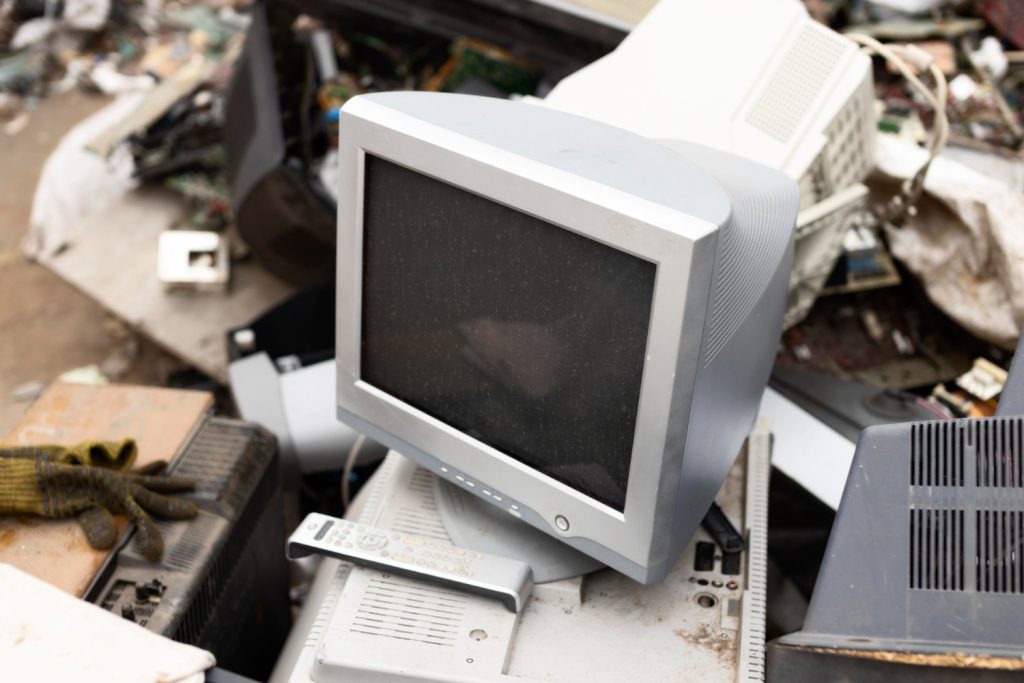
Electronic devices have become an integral part of our daily lives, but their disposal has become a growing concern for the environment. The improper disposal of electronic waste or eWaste can lead to severe environmental and health risks due to the hazardous materials used in their manufacturing. Recycling eWaste can reduce the amount of waste in landfills, conserve natural resources, and promote sustainable development. However, several barriers prevent effective eWaste recycling, including inadequate infrastructure, lack of awareness and education, inadequate policy and regulation, and inadequate funding. In this blog, we will explore the top barriers to eWaste recycling and the potential solutions to address them. By understanding these challenges and finding innovative solutions, we can pave the way towards a more sustainable future. So, let’s dive in and explore the top solutions to overcome the barriers to eWaste recycling. Top Barriers to Recycling eWaste When it comes to recycling eWaste, there are a number of barriers that can prevent individuals and businesses from properly disposing of their electronic devices. Here are some of the top barriers to recycling eWaste, as well as some solutions to help overcome them: Lack of awareness: One of the main barriers to recycling eWaste is lack of awareness about proper disposal methods. Many people are unaware that there are specific ways to recycle electronic devices, and as a result, they simply throw them away with regular garbage. Cost: Another barrier to recycling eWaste is the cost associated with proper disposal. Many recycling centres charge fees for electronics drop-off, which can deter people from recycling their devices. Limited options: In some areas, there may be limited options for recycling eWaste due to a lack of specialised facilities or programs. This can make it difficult for people to find a convenient way to recycle their electronics. Hazardous materials: Some electronic devices contain hazardous materials that require special handling during disposal. This can be another barrier to recycling eWaste, as many people are not aware of the dangers associated with certain chemicals in electronics. Data security: Finally, data security concerns can also be a barrier to recycling eWaste. Many people are hesitant to recycle their old computers or phones because they fear their personal data may be compromised in the process. Solutions to Recycling eWaste There are many ways to recycle eWaste, but some of the most common solutions include: -Sending it back to the manufacturer: Many manufacturers have programs in place to recycle old electronics. Some will even take back products that they didn’t originally sell. -Donating it to charity: There are a number of charities that accept donations of used electronics. These items can then be refurbished and sold or given to those in need. -Selling it online: A number of websites and online marketplaces specialise in buying and selling used electronics. This can be a great way to get rid of old devices while making some extra money. -Recycling it yourself: While this option takes a bit more work, it is possible to recycle many types of electronic waste at home. There are a number of detailed guides available online that can walk you through the process. How You Can Help Recycle eWaste Recycling eWaste can be a daunting task, but there are ways that you can help to make it easier. One way is to simply recycle your own electronic waste. This can be done by taking it to a local recycling centre or by mailing it in to a national recycling program. Another way to help with the recycling of eWaste is to donate old or unused electronics to charity organisations or schools. These organisations often have programs in place to ensure that the donated items are properly recycled. You can also help by spreading the word about the importance of recycling eWaste. Many people are unaware of the environmental impact of throwing away electronic waste, and so they may not realise how important it is to recycle it. You can raise awareness by talking to friends and family about the issue, or by writing articles or blog posts about it. Whatever way you choose to help, your efforts will be greatly appreciated and will make a difference in the fight against electronic waste. Long Story Short Electronic waste is a significant environmental concern, and its proper disposal is crucial for promoting sustainable development. Recycling eWaste can significantly reduce the environmental impact of electronic devices and preserve natural resources. To overcome the barriers, it is essential to establish an effective eWaste management system that involves all stakeholders, including consumers, manufacturers, government agencies, and recyclers. By investing in eWaste management infrastructure, creating awareness and education campaigns, enacting and enforcing eWaste recycling policies and regulations, and providing financial incentives for recycling eWaste, we can promote sustainable development and create a more efficient and effective eWaste management system. Overall, addressing the barriers to eWaste recycling requires collective efforts from all stakeholders. With innovative solutions and a commitment to sustainability, we can create a greener future for generations to come. At Namo, we are committed to providing safe and responsible eWaste recycling services. We understand the barriers that individuals and organisations face when it comes to eWaste disposal, and we offer solutions to overcome them. Our experienced team follows industry best practices and is certified by reputable organisations to ensure that your devices are disposed of safely and efficiently. If you’re looking for a reliable eWaste recycling service provider, look no further than Namo. Schedule a pickup call today and let us help you take the first step towards a greener, more sustainable future!
5 simple ways to completely erase your hard drive

As technology advances, it’s becoming more and more important to keep our data safe and secure. But what happens when you need to get rid of an old hard drive or computer? Simply deleting files isn’t enough – you need to completely erase all data from the device. In this blog post, we’ll look at 5 simple ways to completely wipe your hard drive. Whether it’s for security reasons or simply clearing up space, these methods will ensure that all traces of your data are erased. So let’s get started! Delete data from your hard drive When you delete a file, it isn’t really gone. Even if you empty it from the Recycle Bin, your computer just marks that space as empty and ready to be overwritten. To prevent someone from recovering your data, you need to overwrite it with random data. The process is simple: 1. Connect the hard drive you want to erase to your computer. If it’s an external drive, make sure it’s plugged in. 2. Download a data destruction program like DBAN. 3. Burn the DBAN ISO to a disc or copy it to a USB drive. 4. Boot from the DBAN disc or USB drive. If you have trouble booting from a USB drive, you may need to change your BIOS settings. 5. Select the settings you want and let DBAN do its thing. It will overwrite every sector of your hard drive, making recovery impossible. Format your hard drive When it comes to permanently erasing data from your hard drive, there are a few different ways that you can go about doing it. First things first: if you just want to delete some files or folders and don’t care about anyone being able to recover them, then you can just use the regular delete function. This will work fine for most people’s needs. But if you’re selling your computer or getting rid of sensitive information, then you need to take some extra steps to make sure that your data is completely unrecoverable. The best way to do this is to use a program like DBAN (Darik’s Boot and Nuke). This program will overwrite every single sector on your hard drive, making it impossible to recover any of the data that was previously stored on it. DBAN is free and easy to use, so it’s a great option for anyone who wants to make sure their data is truly gone for good. Another option is to physically destroy your hard drive. This isn’t as effective as using DBAN, as someone could still theoretically recover some of the data from a physically damaged hard drive. But if you want to be absolutely sure that no one can ever get their hands on your data again, then destroying your hard Use a bootable CD to erase your hard drive A bootable CD is a disc that can be used to start your computer without using the standard operating system. This makes it an ideal tool for erasing your hard drive, as it can bypass any software that may be installed on your computer. To use a bootable CD to erase your hard drive, you will need to burn the CD using an optical disc burner. Once the CD is burned, insert it into your computer and restart. The computer should boot from the CD automatically; if it does not, you may need to change the boot order in your BIOS settings. Once the computer has booted from the CD, you will be presented with a menu of options. Select the option to erase your hard drive; this will typically be labelled as “Format” or “Erase”. Follow the prompts to complete the process; once it is finished, your hard drive will be erased and you can now install a new operating system. Use a software program to erase your hard drive When you want to erase your hard drive, you’ll need to use a software program designed for the task. There are many such programs available, but we recommend DBAN (www.dban.org). DBAN is a free program that will erase all data on your hard drive, including any operating system and files. It’s important to note that once DBAN is finished, your hard drive will be completely blank – there’s no going back! To use DBAN: 1. Download the program from www.dban.org and create a bootable disk or USB drive. 2. Boot your computer from the DBAN disk or USB drive. 3. Select the type of erasure you want to perform. We recommend the ” Gutmann ” method, which is a very thorough way to erase all data from your hard drive. 4. Sit back and wait while DBAN does its job! Depending on the size of your hard drive, this process can take some time – often several hours – so be patient. Once DBAN has finished, your hard drive will be completely erased and ready for reuse Use a physical process to erase your hard drive If you want to be sure that your data is completely erased, you can physically destroy your hard drive. This will make it impossible for anyone to recover any of the data that was stored on the drive. There are a few different ways that you can physically destroy a hard drive. One popular method is to use a hammer to smash the disk platters inside the drive. This will render the disk unreadable and make it impossible to recover any of the data. Another method is to drill holes through the disk platters. This will also damage the disk so that it cannot be read, and all of the data will be lost. If you want to be absolutely sure that your data is gone forever, you can incinerate the hard drive. This will completely destroy all of the data on the drive and make it impossible to recover anything from it. In a nutshell With these five simple ways to completely erase your hard drive, you have the
What is the difference between authorised and unauthorised recyclers?
Recycling is an important part of reducing our environmental impact and helping to protect the planet. But when it comes to recyclers, it’s not always easy to tell the difference between authorised and unauthorised recyclers. It may seem like a minor distinction but choosing between an authorised or unauthorised recycler can have a huge effect on your waste disposal decisions. In this article, we will be discussing the differences between authorised and unauthorised recyclers and why it’s important to choose the right one for your needs. Authorised eWaste recyclers If you’re looking to recycle your mobile phone, you must give it away to an authorised eWaste recycler. Authorised recyclers are businesses that have been approved by mobile phone networks and manufacturers to recycle mobile phones. This means that they follow all the correct procedures for recycling mobile phones, including data wiping and environmental disposal. Unauthorised recyclers, on the other hand, are not approved by the networks and manufacturers. This means that there’s no guarantee that they will follow the correct procedures for recycling your mobile phone. So, if you want to be sure that your mobile phone is recycled correctly, make sure you use an authorised recycler. Unauthorised eWaste recyclers Several unauthorised recyclers are operating in the market. These companies are not registered with the Environment Agency and do not have a waste management licence. They may offer cheaper services than authorised recyclers, but they are not regulated and could put your business at risk. Unauthorised recyclers may: – Dispose of your waste in an environmentally harmful way – Fly-tip your waste, which could lead to fines for your business – Sell your confidential data or trade secrets If you use an unauthorised recycler, you could be liable for any environmental damage they cause. You may also be prosecuted if your waste is fly-tipped. Using an authorised recycler protects you and your business from these risks. Difference Between Authorised And Unauthorised Recyclers Many recycling companies operate without authorization from the local government. These companies are often fly-by-night operations that set up shop in an area for a short period to collect recyclable materials. Once they have collected enough material, they move on to another area. Unauthorised eWaste recyclers may not follow proper safety protocols when handling and transporting materials. They may also dump materials in illegal landfills or incinerate them, which can release harmful toxins into the environment. Authorised eWaste recyclers, on the other hand, are licensed by the government and must follow strict regulations. They are typically larger companies that have been in business for many years. Authorised eWaste recyclers must adhere to safety protocols and use state-of-the-art facilities to process materials. When deciding whether to use an authorised or unauthorised recycler, it is important to do your research. Make sure you understand the risks associated with each type of company before making a decision. In a nutshell Overall, authorised and unauthorised eWaste recyclers are different in terms of the services they can offer. Authorised e-waste recyclers have the necessary certifications and materials to break down electronic components safely, while unauthorised recyclers usually lack these qualifications and may cause environmental damage when dismantling unwanted items. Namo eWaste provides a safe alternative for electronic waste disposal with reputable authorisation as well as advanced solutions to help businesses manage their electronic waste responsibly. Namo eWaste is an example of a responsible authorised eWaste recycler and their main aim is to improve the safety and security of our environment by helping people safely dispose of their unwanted electronics.
Importance of Data Management & Data Destruction: 4 Tips to Keep Your Business Safe
In our data-driven world, businesses are constantly managing, storing, and securing vast amounts of sensitive information. It’s important to have a secure system in place that can prevent unauthorised access and data breaches. For most businesses big and small, the one constant is the need for effective data destruction service and security. With increasingly complex regulatory requirements, safeguarding your customer’s data has never been more important. Discover how to keep your business safe with the latest in data management and destruction methods in this article! What is Data management? The process of organising, storing, protecting, and maintaining the data generated by a business is termed Data management. It involves implementing processes and systems that ensure the data is accurate, secure, and accessible by authorised personnel. Secure data destruction helps organisations make better decisions by providing them with accurate and reliable information, while also reducing the risk of data breaches and data loss. What is Data Destruction? Data destruction is the process of rendering data unreadable and unrecoverable. This is typically done by securely erasing data from electronic devices or using physical destruction methods, such as shredding. A reputable data destruction service is essential for businesses to ensure that sensitive information is not accessible by unauthorised individuals and to maintain compliance with data protection regulations. Hiring a reputable data destruction company or using specialised data destruction software can provide organisations with peace of mind that their sensitive information has been securely destroyed. As technology continues to advance, the amount of data generated by businesses grows at an exponential rate. With so much sensitive information being stored on electronic devices, companies must implement effective data management and destruction practices to protect their sensitive information and maintain compliance with data protection regulations. Here are a few ways to keep your business safe through data management and data destruction. Data Management: Keeping track of all the data your business generates and storing it securely, in an organised manner is the first step in data protection. Consider implementing a data management system that allows you to categorise, store, and access your data securely and efficiently. This will help you ensure that sensitive information is only accessible by authorised personnel and reduce the risk of data breaches. Secure eWaste Destruction: Electronic devices that contain sensitive information, such as old laptops or smartphones, should be securely disposed of to prevent data breaches. Hiring a data destruction service or a secure eWaste destruction company can ensure that all the data on your old devices is wholly destroyed, reducing the risk of data theft. Data Destruction Services: When it comes to destroying data, it’s essential to hire a reputable data destruction company. These companies use specialised tools and techniques to securely erase data, rendering it unreadable and unrecoverable. Look for a data destruction company that complies with industry standards, such as the National Association for Information Destruction (NAID), to ensure that your data is destroyed securely and safely. Data Destruction Company in India: If you are based in India, Namo eWaste provides data destruction companies that offer secure data destruction services. When choosing a data destruction company, consider factors such as the company’s experience, reputation, and compliance with industry standards. Implement a data management system that ensures the secure and organised storage of sensitive information. Hire a reputable data destruction company for a secure data destruction service for all old or unwanted electronic devices. Ensure that the data destruction company is compliant with industry standards, such as the National Association for Information Destruction (NAID), to guarantee the secure and reliable destruction of your data. Regularly review and update your data management and destruction policies to stay up-to-date with the latest data protection regulations and technologies. Taking everything into consideration It can be said that managing and destroying data is crucial to ensure the safety and security of sensitive information in your business. By following these tips, you can take proactive measures to protect your business and maintain compliance with data protection regulations. As one of the best data destruction companies, Namo eWaste will back you up with every possible step you will need with secure data destruction. Connect with us today!
How Can I Purchase Ethical and Eco-Friendly Electronics?

When it comes to purchasing electronics, most of us are unaware about where our products come from or how they were made. We assume that the device we get at our local store is ethical and eco-friendly, but more often than not this isn’t the case. It is important to purchase ethical and eco-friendly electronics to minimise environmental damage caused by using technology. While searching for the right items, researching the company and its ethics is a must. In this article, we will explore some of the steps you can take to ensure that your electronics are purchased with an ethical and eco-friendly mindset. From sourcing sustainable electronics to supporting companies who prioritise social responsibility, learn more about how you can make informed decisions when it comes time to upgrade your gadgets. What are ethical and eco-friendly electronics? There are a few things to consider when purchasing ethical and eco-friendly electronics. First, you’ll want to make sure the product has been ethically sourced. This means ensuring that the workers who made the product were treated fairly and paid a livable wage. You’ll also want to make sure the product is eco-friendly, meaning it doesn’t use harmful materials or require a lot of energy to operate. Finally, you’ll want to make sure the product is durable and will last for a long time. Ethical and eco-friendly electronics can be found at many different retailers, both online and in brick-and-mortar stores. You can also find ethical and eco-friendly electronics at specialty stores that focus on selling sustainable products. To make sure you’re getting a good deal on an ethical and eco-friendly product, it’s important to do your research and compare prices between different retailers. Where to purchase ethical and eco-friendly electronics? There are a few ways to approach this. You can either buy electronics that have been certified by an external body as being eco-friendly, or you can purchase from brands that have committed to sustainability. Certified products will usually carry a logo or stamp from an independent organisation that has verified the claims made by the manufacturer. The most widely recognized certification in this area is EPEAT, which has a searchable database of over 5,000 certified products. Alternatively, several companies have made public commitments to sustainability, often going above and beyond what is required by law. These companies tend to be leaders in their field, and their products often come with a slightly higher price tag. However, you can be confident that your purchase is supporting ethical practices and environmental protection. How to know if an electronic is ethical and eco-friendly? When you upgrade your electronic devices, it’s important to properly dispose of your old ones. Here are some tips on how to do so in an eco-friendly way: 1. Donate your old electronics. Many organisations accept donated electronics and give them to people in need. This is a great way to extend the life of your old devices and help others at the same time. 2. Recycle your electronics. Many recycling centres will accept old electronics for processing. This is a good option if you can’t find a place to donate them. 3. Upcycle your electronics. If you’re crafty, you can repurpose old electronics into new and creative objects. This is a fun way to give new life to your old devices. 4. Sell your electronics. You can sell your old electronics online or at local pawn shops or consignment stores. This is a good option if you want to get some money back for them instead of just throwing them away. 5. Trash your electronics responsibly. If you can’t find another use for your old electronics, make sure to dispose of them properly. Most municipalities have special programs for recycling or disposing of electronic waste. How to know if an electronic is ethical and eco-friendly? When looking for ethical and eco-friendly electronics, it is important to consider the following: -The working conditions of the people who made the product -The energy efficiency of the product -The recyclability of the product Unfortunately, there is no easy way to determine if an electronic is ethical and eco-friendly. However, doing some research on the company and/or product can help you make a more informed decision. Taking everything into consideration It can be said that buying ethical and eco-friendly electronics will give consumers peace of mind that their technology is sustainable in the long run. It’s important to research companies offering these options before making a purchase—it may be helpful to compare prices, features, and more among different ethical electronic recycling companies so you can find the best deal for yourself. Additionally, make sure any company you buy from has an established record of providing safe and sustainable products without compromising on quality. With some effort, we can all do our part in helping reduce eWaste and protecting our environment by purchasing environmentally friendly electronics.
How does extended producer responsibility relate to e-waste?

Extended Producer Responsibility (EPR) is a concept that manufacturers/Producers should take responsibility for when it comes to their products and the environment. It is a new way of thinking about product design and production, which seeks to prevent pollution and waste in the first place. Extended producer responsibility has been around for some time, but has recently gained popularity as a result of global concerns about climate change and environmental sustainability. The goal of EPR is to have manufacturers take on more responsibility for the products they produce, including e-waste. The e-waste problem is not only about discarded electronic devices; it’s about what happens to them after they are discarded. The adage applies: “You can’t recycle your way out of this problem”. This is because plastic cannot be recycled indefinitely, nor can digital data be destroyed forever. The fact remains that plastic and electronic waste will be with us for centuries unless we find more sustainable methods for disposing of these materials – or at least reduce their use significantly in the first place. We need some kind of solution beyond recycling alone if we want our throwaway society to become less disposable over time. EPR relates to two main areas: Pre-consumer: The EPR movement aims to shift responsibility from the producer to the consumer by making producers responsible for their products after they have been used. For example, if a product has been made by an independent manufacturer, then it would be up to them to deal with any waste generated by their goods once they have been sold. Post-consumer: Post-consumer EPR covers activities such as reuse, recycling, remanufacturing, and composting. This process involves ensuring that materials are reused or recycled as much as possible before being disposed of in a landfill or incineration. E-waste often lands up in dumpsites or is recycled in hazardous conditions which cause serious health hazards. With the help of an e-waste recycling firm, you can be assured that your e-waste is being handled responsibly and the precious metals are being retrieved from them using the most environmentally friendly methods. What are the benefits of extended producer responsibility? EPR offers many advantages over other waste management systems such as: Increased productivity and business opportunities from recycling materials Reduced costs through better resource efficiency Improved quality control during production processes such as manufacturing or assembly lines; Increased job creation through economic stimulus Increased access to safe disposal sites for recyclable materials Improved public awareness about environmental issues related to e-waste Reduction in unnecessary waste How does extended producer responsibility relate to e-waste? The idea behind EPR is that manufacturers should be encouraged to make more environmentally friendly products because it’s in their best interest to do so. Why? Because if they don’t make environmentally friendly products, they won’t be able to sell them. If they can’t sell them, they’ll have no incentive to reduce waste from their manufacturing process. What are the challenges associated with extended producer responsibility? The first challenge with EPR is finding ways to ensure that manufacturers have to pay for the waste they produce. This can be difficult because it requires a lot of time and effort on behalf of regulators, who need to find ways to incentivize manufacturers in the short term while also preventing them from taking advantage of the fact that people don’t know how much waste they produce until it’s already been dumped into landfills. Another challenge with EPR is ensuring that all parties are on board with the program. The goal of EPR is not only to reduce environmental impacts but also to improve worker safety and increase worker productivity while reducing costs associated with production and disposal. These are all goals that require cooperation between multiple stakeholders including workers, consumers, communities, and governments who will have input into new policies around e-waste management and disposal as well as new technologies and processes developed by manufacturers who may want more control over what happens after production occurs. Binding it all together: Overall, there are many positives of extended producer responsibility programs that encourage businesses to be responsible for the negative effects of their products especially when it comes to e-waste. However, there are also challenges, limitations, and consequences that need to be addressed to avoid potential problems. That is because all groups involved in the process – government agencies, manufacturers, and consumers – require a better understanding of their roles before the implementation of e-waste recycling initiatives.
How To Reduce E-Waste With Sustainable IT Solutions?

As the population increases and businesses continue to expand, the number of electronic devices needed for modern offices and homes has grown exponentially. While most individuals are environmentally conscious, many consumers do not realise that the cost of disposing of their discarded electronics is something they must consider. In the past decade, more and more organisations have started adopting sustainable IT solutions. This has led to a decrease in the amount of e-waste sent to landfills. The tech industry is one of the biggest polluters in the world. And with the ever-growing demand for new devices, the problem is only getting worse. But, there are ways to fight back against this growing e-waste crisis. In this blog post, we will explore how to reduce e-waste with sustainable IT solutions. From recycling and reusing devices to using cloud-based solutions, we will cover a range of topics to help you make more sustainable choices for your business. How to reduce E-waste It is important to find sustainable solutions for e-waste. Here are some tips on how you can reduce your e-waste footprint: 1. Donate or recycle old electronics Instead of throwing out your old electronics, see if any local organisations accept donated items. Many charities will refurbish and donate unwanted electronics to those in need. If you can’t find a charity that takes donations, most electronic retailers offer recycling programs for customers – take advantage of these when disposing of old devices. 2. Buy certified sustainable products When purchasing new electronics, look for products with sustainability certifications such as EPEAT and Energy Star. These certifications ensure that the products have been designed with sustainability in mind and will help to reduce your carbon footprint over the product’s lifespan. 3. Avoid buying disposable electronics Disposable electronics, like single-use batteries and single-use cameras, create a lot of waste because they’re not meant to be reused or recycled. Instead, invest in rechargeable batteries and reusable cameras to help reduce e-waste. Sustainable IT Solutions As the world goes digital, electronic waste (e-waste) is becoming a growing problem. It’s estimated that 50 million tons of e-waste are generated each year, and only 20% of that is properly recycled. The good news is that sustainable IT solutions can help reduce e-waste. Here are some tips: 1. Upgrade, don’t replace. When it’s time for a new computer, consider upgrading your existing one instead of buying a brand-new one. This prolongs the life of your current equipment and helps reduce e-waste. 2. Donate or recycle old equipment. When you do eventually replace your equipment, make sure to donate or recycle your old stuff instead of throwing it away. Many organisations will take unwanted electronics and either refurbish them for reuse or recycle them properly. 3. Use certified e-cycling facilities. If you opt to recycle your old electronics yourself, be sure to use a certified recycling facility. These facilities are designed to safely and effectively recycle electronic waste. How to Implement Sustainable IT Solutions When it comes to IT sustainability, there are several different ways to go about reducing e-waste. One way is by choosing energy-efficient products. This can be done by looking for the ENERGY STAR® label when shopping for new electronics. ENERGY STAR® certified products use less energy, which not only saves you money on your energy bill but also helps reduce greenhouse gas emissions. Another way to reduce e-waste is by properly disposing of old electronics. Many people don’t realise that simply throwing away an old computer or cell phone can cause harmful toxins to leak into the environment. These toxins can contaminate water supplies and soil, and potentially harm wildlife and human health. So what should you do with your old electronics? Most electronic manufacturers have recycling programs in place to ensure that their products are properly disposed of. You can also check with your local municipality to see if there are any special disposal instructions for electronic waste. By following these simple tips, you can help make a difference in the fight against e-waste. Implementing e-waste recycling solutions is one small step we can all take to create a more sustainable future for our planet. Benefits of Sustainable IT Solutions As the world becomes more digitised, the need for sustainable IT solutions becomes more apparent. E-waste is a growing problem, and sustainable IT solutions can help reduce this waste. Here are some of the benefits of using sustainable IT solutions: 1. Reduced environmental impact – Sustainable IT solutions help to reduce the environmental impact of e-waste. By recycling and reusing electronic components, we can decrease the amount of waste that ends up in landfills. 2. Extended product life – Sustainable IT solutions can help extend the life of products. For example, by refurbishing old computers instead of buying new ones, we can keep them in use for longer. This reduces e-waste and also saves money. 3. Improved productivity – Sustainable IT solutions can improve productivity by reducing downtime due to malfunctioning equipment. When products are well-maintained and regularly updated, they are less likely to break down or experience problems. This leads to increased productivity and fewer disruptions in the workplace. 4. Cost savings – Implementing sustainable IT solutions can save businesses money in the long run. For example, investing in energy-efficient equipment can lead to lower electricity bills. Additionally, using recycled materials can often be cheaper than buying new products outright. Last but not least Technology has changed our world in so many ways, and its role in business will only continue. Whether you’re a consumer or an information technology professional, you have a role to play in developing more sustainable options for your IT needs. Efficient servers and other efficient IT solutions can be cost-effective and help reduce our e-waste as well as environmental pollution. As a business, it is important to be aware of your responsibilities to the environment. The way we dispose of our electronic waste can have a significant impact on the environment. Our planet is an extremely delicate and precious