
The Environmental Benefits of Recycling Electronics
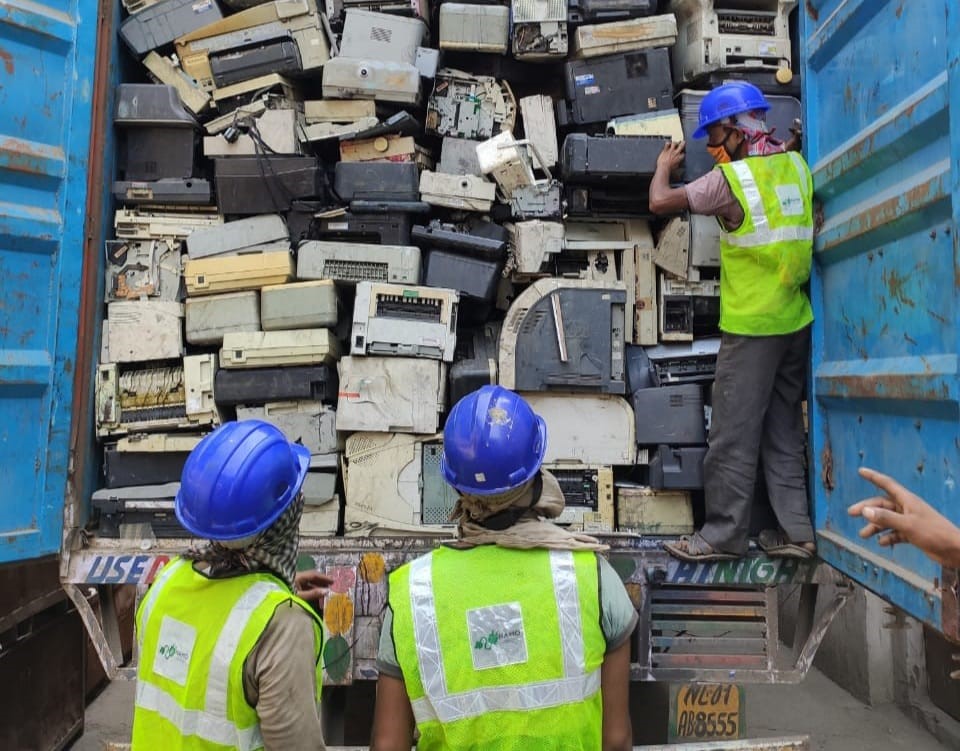
There are many environmental benefits to recycling E-waste. Electronic Waste is any electronic piece of equipment that has been discarded because it is broken, unwanted, nearing end-of-life, or no longer used. It is important to recycle all items, not just those that are visually apparent. Everyday electronics are recyclable and if properly disposed of at the best recycling centre, it will benefit the environment. The benefits of recycling electronic waste are great. Although recycling the products is not easy, it does have a significant impact on the environment. Environmental Benefits of Recycling Electronic Waste 1. It Reduces the Amount of Toxic Materials Heavy metals such as these are not biodegradable, but they affect plants, animals, and human health. When they are disposed of as waste, they affect plant life and animal life. Many of these materials are also carcinogenic, which is troubling considering humans may get exposed to them. 2. Helps Cleanse the Air, Soil, and Water When e-waste is improperly discarded, it can emit dangerous levels of smoke, toxins, or other pollutants into the air and soil. Not only does this harm human health, but it also reduces the nitrogen and oxygen in plants and aquatic life that are necessary for their survival. Electronics are not biodegradable and when improperly thrown out, emit dangerous toxins that suffocate the environment. 3. Prevent usage of landfills When disposed of improperly, electronic waste ends up in landfills or in the hands of informal waste operators who dump them there. These wastes leach toxic and metallic materials into the ground—leading to water contamination. When recycling e-waste, you’re reducing the number of landfills that are around and saving our environment. This way, there is less environmental damage, like on bodies of water – and this is possible because of the precautions taken by certified recyclers. 4. Reduces air pollution: Reducing air pollution is an enormous benefit of recycling electronic waste. To avoid burning the old electronics, ensure to recycle them instead. Instead of letting poisonous gas escape into the atmosphere, you can contribute by recycling your electronics. 5. Protects the environment from hazardous substances: When you recycle e-waste, you are protecting the environment from hazardous and toxic substances that could harm people. Toxins such as lead, mercury, chromium, and cadmium are found in electronics. When recycled these devices can stop toxins from harming our air, soil, and water supply. If you don’t recycle properly, then natural resources might be polluted with dust and other products of mining and burning trash. 6. Preserving natural resources: Your electronic devices rely on mining for their parts. This creates a lot of greenhouse gases and other pollutants. Mining the components found in electronics releases pollutants that contribute to environmental pollution and global warming. 7. Helping the community: Reusing out-of-fashion items can help your community and those in need. Computers take up more than 50% of all recyclable material, but many old computers are still usable. When donating, it’s important to check the condition of the computers and electronics before you bring them to the recycling centre. 8. Non-renewable recycling: Many of the materials in new electronics can be reused for future products. Recycling e-waste is a much more efficient use of resources than discarding it in landfills, as recycling e-waste means that new metals and other materials don’t need to be dug up for your next device. 9. Recycling Boosts Your Brand: For businesses today, green credentials are important to raise awareness and show a committed effort to sustainability. Corporations want to be sustainable so that more people want to buy from them and jobs remain sustainable. 10. Important for future generations: As our natural resources are dwindling and landfills are filling up, we need to rethink recycling and the role it plays in today’s modern society. If everyone considers how they dispose of materials, through reducing litter and reusing trash, we can make a difference by preserving the environment and conserving natural resources for future generations. 11. Improves the Quality of Life: Recycling e-waste has both environmental and economic benefits. Recycling electronic waste, rather than throwing it away at landfill sites, helps to preserve human health and the environment. Companies can perform the recycling and make money by either turning e-waste into clean fuel or using it in new tech. Conclusion If we do not properly handle electronic and energy waste, it could jeopardise the world. From microplastics and smoke particulates to carbon release, e-waste is having an impact on worldwide communities. Recycling these devices can stop this cycle of environmental degradation. Make sure you recycle electronics responsibly by working with great e-waste recyclers in India such as Namo E-waste. Improper disposal leads to environmental pollution in many ways including the development of informal settlements.
The Ultimate Guide to Recycling and Reusing Electronic and Server Equipment
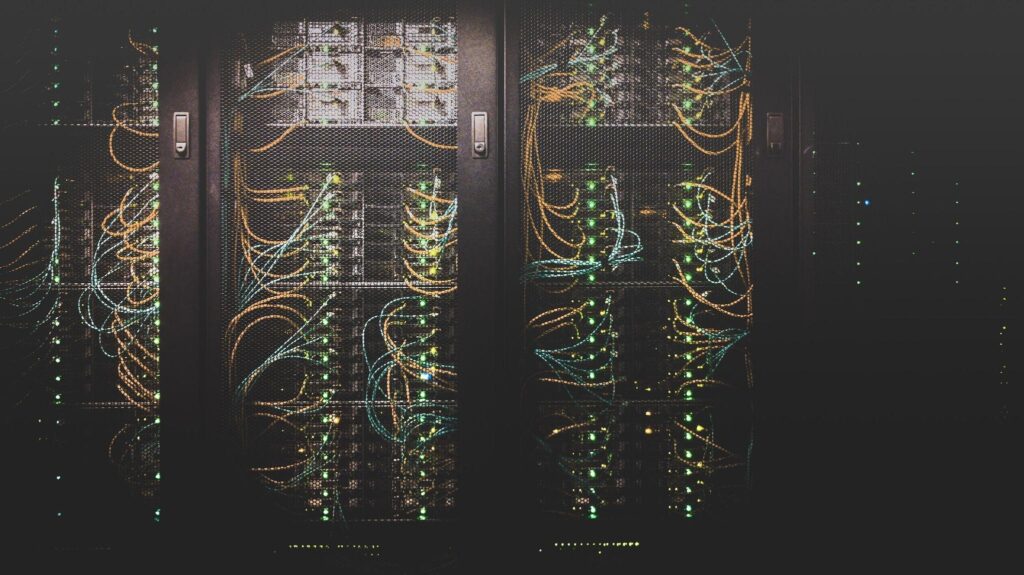
We change our devices so often due to the increase in new technology making older electronics irrelevant, and the natural wear and tear that our electronics experience. Getting rid of your old electronics means safely recycling them so they can be reused. In many states, it is illegal to throw these devices away in regular trash bins. Electronic products contain toxic substances such as mercury, lead, and cadmium that need to be disposed of carefully and safely. You can donate your device, sell it to a tech company, or take it to a recycling centre yourself. What is E-waste? E-waste is electronic devices that have come to the end of their life and can be resold, reused, salvaged, or recycled. Recycling them responsibly is important due to data security and environmental and social implications. Electronic waste includes any electronics that have come towards the end of their useful life. It’s used by all companies, regardless of size, and even large organisations such as municipalities. Universities, charities, and many other businesses – all contribute to the accumulation of e-waste. The important thing to figure out is how to deal with it responsibly. With so many people using electronic devices and no signs of this changing in the future, the effects of these devices cannot be ignored. Corporate social responsibility is important, which encompasses the company taking responsibility for its effects on the environment and society. Sending the e-waste to a recycling centre will benefit the environment and lessen the impact. Electronic companies store data on their hard drives and if not properly erased, it can be accessed by thieves. This information can include names, credit card numbers, and other private information among many more critical financial details. If you throw out your electronic waste without using a responsible recycler, then your company risks people finding this data and taking it. Certified recyclers will shred or wipe the hard drives to ensure that your information is not at risk of theft and misuse. All businesses need to be sure that their hardware is secure and not vulnerable to a data breach. If your business relies on software, there is a chance it will be breached which can cause further issues with broken electronics. Hardware is also at risk of being exploited, so all hardware employees need to take precautions when recycling or disposing of hardware. What does electronic recycling entail? Rejecting the recycling of your old electronics is a losing proposition from both an environmental and economic perspective. Companies benefit from selling materials left behind in these devices to other firms, reducing their need to refine natural resources. There are many benefits to recycling, from environmental protection to data protection. Recycling electronics saves resources, reduces pollution, and conserves landfill space by recovering valuable metals and materials. There is no one-size-fits-all recycling process, as the procedure can vary depending on recycled materials. The technology used to recycle determines how effective the separation of materials is. Materials in e-waste are recovered and resources are saved. When you are looking to dispose of electronics, check out the components with the highest precious metal content. These include computer processors, memory, circuit boards, cables, wires, and hard drives. If you’re recycling old devices, make sure to have data deleted before the device is sold or donated. Data destruction companies are vital to all businesses these days, as a data breach would be inconvenient for everyone involved. Choose a company that offers real-time visibility in the process, which includes being able to watch the process happen. Your data destruction should also come with exceptional services that allow you to track every step of the data destruction process. Namo E-waste, the best electronic waste management company offers 3X data destruction services to maintain privacy and security. It provides a three-step process to destroy any information you give us so that nobody else can access it. Our main aim is to create sustainable disposals for e-waste. We recycle all sorts of devices. Visit our official website to know more about how we can recycle your computer, laptop or server. Schedule a pickup today!
The Importance of Recycling a computer

Today, technology moves at such a rapid pace and it can be overwhelming to keep up with the latest and greatest innovations. As consumers, we all want access to the newest gadgets and devices, but many people don’t think about how they are going to dispose of their older models once the new ones come out. E-waste disposal is becoming a real problem for communities across the globe as discarded technology piles up in landfills possibly leaking toxic chemicals into groundwater supplies. Electronic devices like Computers, Laptops, Monitors, Keyboards, mouse, modems, cords, plugs, tablets, printers, telephones, and speakers. All these devices can be sent to a recycling center. Reducing e-waste such as used electronics plays a vital role in reducing environmental pollution and conserving Earth’s natural resources. Why Is It Important to Recycle Computer Components? Computer recycling efforts have risen in popularity over the years as people are realizing how serious of an issue environmentally damaging electronic waste is. In some countries, the amount of redundant computer components and the enclosed heavy metals, although not limited to lead or mercury, is becoming uncontrollable. Rest assured that when this hazardous waste ends up in landfills, it contaminates the soil and seeps into the adjacent water bodies making it hazardous for both the human health but also the wildlife living nearby. We want society as a whole to be aware of this – both now and in the future, so we want all companies that recycle electronics to eventually publish an annual report on how much has been recycled for every type of equipment on record. Consumers have been constantly developing new devices. However, if we dump our devices into a landfill, we are endangering the environment. Recycling electronics has a lot of advantages for the environment. Benefits of Recycling Computers : Recycling Computers Protects Natural Resources: When people choose to recycle their old computers, they are more environmentally responsible. By doing this they’re limiting the resources it takes to produce new computer equipment because some old components can be reused when constructing new ones. An example of this would be plastic and glass used in monitors. By reusing these components, there is less need to create new ones which both conserve the environment and limit costs. Help Save Our Planet: Some people think that it isn’t important to recycle their computers, but they don’t know the damage they are causing. Even if you think it is not important, make sure you recycle your computer in order to make sure our planet stays clean for generations to come. Some people go to great lengths just to recycle computers. It doesn’t matter whether your computer works; you can always donate it or sell it for cash. Recycling is something worth doing because if we continue accumulating trash then nothing will be left of the ecosystem. How is a Computer Recycled? When computers have been brought to the facilities to be recycled, the triage process begins, which identifies the various types of equipment and determines their condition and age. Relevant information is then recorded for disposition reports and each computer is properly cataloged. After that, the physical processing starts, and data destruction may often be performed. Once assets tags have been removed, any useful parts are refurbished and resold; those parts of the computer that have next to no value are sent through a de-manufacturing process that allows the useful parts to be separated from other materials like plastic, glass, and circuit boards. These materials are then processed through a smelter where they are shredded into small pieces to be melted down in order to be made into new products later. Final Thoughts: One of the most important aspects of recycling is the environmental impact that it has. As the population of the world grows, so does the amount of natural resources that we use. By recycling your old computer you are reducing the amount of new material needed to build a new computer, and keeping precious resources out of landfills. This is just one of the many reasons why recycling a computer is important!
How to recycle a smartphone?
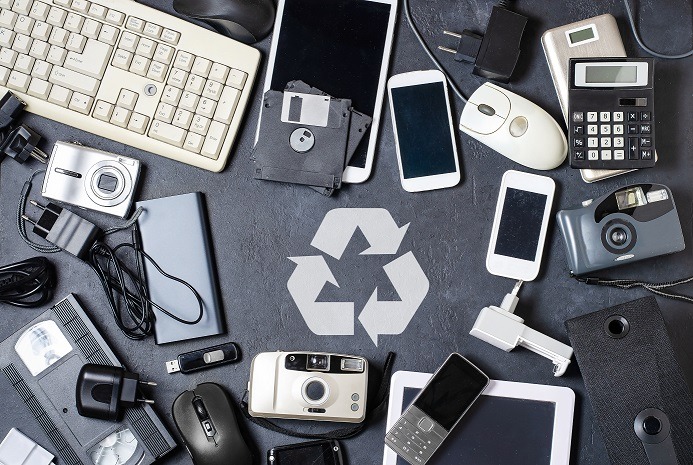
If you’re planning on getting rid of an old phone – that’s awesome! It’s something many people want to do. So, now the question is what can be done to help protect the environment? So, what should you do with it? Only a few years ago, this may have meant donating your slightly outdated smartphone or laptop to some charity which would then resell it in a bid to raise funds for their cause. But there are now so many charities out there that accept old phones that we’re all starting to wonder about the true extent of our own charitable efforts as consumers. For instance, if there is an old mobile phone which is worse for the planet and if it goes from one consumer to another but only gets reused once compared to say being recycled and then used in some way more than once by someone else? Why you should recycle your phone? Electronic waste puts in danger to the environment and human health. For instance, cells phones may contain hazardous materials such as lithium ion batteries, plastics, and mercury which can leach their toxic elements of these substances into soil and groundwater when improperly disposed of. Thankfully, whenever you and I happen to decide to throw out our old devices someplace where they won’t be discovered by anyone they don’t rightfully belong to, there are different organizations set up that specialize in recycling or refurbishing electronic equipment in an environmentally friendly way regardless of whether it’s working perfectly or not at all. What to do before recycling your phone You have to ask yourself a few questions before getting down to knowing what should you do with your old phones. What if there’s still a lot of data stored on it? What if it’s in pristine condition? Is it really necessary for you to part ways with the technological device built for perfection every time? When you’re getting rid of an old phone, you shouldn’t just throw it away. Someone else may be able to use your old phone and you should take that into consideration. At the same time, don’t forget to deactivate or remove any accounts your phone is registered with. For example, if you want to close down a Gmail account for whichever reason, remember also to remove all devices which are linked to that email address as well! Be sure to back up your contacts and all important data on the phone itself to be able to load this onto a different device later. Also remove the SIM card from your old phone so that you can give it to your new one. After backing up, go into settings and reset your device for ultimate security but also make sure that you don’t forget to clear any data on your phone beforehand. Recycling your phone instead of carelessly throwing it in a junk drawer or something equally as unsightly is not only good for the planet, but like planting a tree, it’s an opportunity for you to be an active participant in making our world a better place. Saving the environment from hazardous materials: Cell phones come with various toxic components like lead, mercury, arsenic, and other hazardous chemicals that are neither biodegradable nor recyclable. When discarded as waste, it is either burned (misusing energy) or left in a landfill where it will cause the soil and air to absorb the toxic component into itself. Low energy consumption: When you use recycled phones, you are using fewer resources. This means that less of those natural resources have been used (i.e. energy is conserved) because of reduced carbon emissions and raw materials needed when creating new devices from scratch. Minimal impact: By recycling your phone instead of discarding it when it malfunctions, you are removing a potentially hazardous device from the environment. This does not only minimize your environmental impact but has proven to minimize your impact as well. The Recycling Process The recycling process begins when the old, used phone makes its way from your hands to a recycling centre. Over there, the phones are dismantled and other materials are extracted. The phone’s shell is usually given to an incinerator; however, before doing so it may also be sold for profit or returned to the manufacturer in order to be melted down into new phones. Some materials from a recycled phone include: Batteries, Metals, Plastics, LCD screens, Microphones, Screws, Speakers. The Bottom Line: That is how the mobile phone recycling process works; it is quite simple when you break it down step by step. It is also important to know that to recycle mobile devices is to protect the environment.
E-Waste Disposal: Why it Is Important For You To Recycle Your E-Waste

The disposal of electronic waste is a subject that has come to the forefront in recent years. We all must do our part to recycle our e-waste for three main reasons: environmental conditions, health concerns, and precious natural resources. Electronic equipment, especially electronic devices and their components such as computers and cell phones, is a growing environmental problem. New technology is being invented and improved every day, while old ideas are often thrown away. While it is exciting to discover new knowledge, we need to be more responsible about electronic waste. The easiest way to dispose of it may be sending it straight to a landfill, but this approach limits people in the future from learning from our mistakes. When we recycle electronic waste, we give back to society, limit the landfills and reduce CO2 emissions. What is E-Waste? E-waste contains a toil burden on our environment that could harm the Earth if it’s not disposed of properly. It may be any electronic device that’s broken, can no longer be used, or is out of date. E-waste products are almost always special, and cannot be disposed of in regular household trash. When you have a laptop, phone, or computer, that has reached the end of its life, it is important to dispose of them properly. Why Is E-Waste Management Important? Although devices like phones often break, they are still an abundant source of raw materials. These materials could be stripped from old gadgets and reused to make new ones. By improving recycling, more companies might be able to use gold and other important raw materials found in old electrical devices. Not only is recycling precious metals more efficient and better use of resources, but it also saves the environment. It is important to recycle electronic devices because they often contain toxic substances and heavy metals as well as harmful chemicals like flame retardants. This recycling process can reduce chemical emissions while disposing of the items, and when manufacturers use recycled materials in production, they use less energy and produce less greenhouse gas than if the products were made with brand new materials. Make sure to recycle your appliances and electronics to keep them out of the landfill. This e-waste can be reused, and when recycled properly, it can reduce water pollution and greenhouse gas emissions. Likewise, you aren’t allowed to throw electronic devices in the trash. The data on a hard drive can be mined by a thief and used for financial information. It’s a bigger worry for businesses, but as most people use computers to store financial information, it’s something worth considering. Recycling also helps the environment and people’s health. This activity also generates new jobs and boosts the economy by providing materials for new electronics that do not need to be extracted from the environment. Recycling can also implement additional safety measures, reducing toxic chemicals like mercury and lead. How to Recycle e-waste? The best way to dispose of unwanted electronics is by disposing them off at a recycling centre. Before you recycle any old hard drives, make sure you’ve wiped the contents and then make sure it goes to a facility that will dispose of it correctly. Namo e-waste management, which is known as the best e-waste recycling company in India, offers these services. Final Word: The fight against e-waste is a global issue, and we need new strategies to deal with it. To reduce the amount of e-waste, make sure that you recycle old items rather than throwing them in the trash. We can fight this problem now by making sure old electronics are properly recycled.
12 ways to reduce and control e-waste for 2023

The amount of electronics discarded each year could either be in good condition or unusable, and these are mostly generated from people who buy new and more advanced products. Most devices that end up in landfills are still perfectly suited to be reused. It is the need of the hour to take measures to reduce the impact of discarded electronics, such as batteries and cell phones, and manage them properly. What Is E-Waste? Electronic waste refers to anything that cannot be reused and is only good for discarding. It includes broken cell phones, tablets, and televisions that have been replaced with newer models. The best e-waste solution, which is healthy for society as well as the environment, is recycling. Recycling old products that still have value from electronics and makes them available for new products. Although recycling rates for e-waste are still low, it benefits the environment and economy in the long run. When you take the time to get rid of your used electronics responsibly, it will help contribute to a sustainable environment. One way you can do this is by backing up all the data and erasing personal information before passing on that device or selling it. Here are some methods of disposal of e-waste in India: Be a responsible consumer: To reduce waste, be sure you’ve done some research before buying a new product. If the product is likely to break or malfunction shortly after you purchase it, don’t buy it. Reuse and Recycle: The best way to protect our planet is to recycle old electronic devices instead of buying more new ones. This way, you’ll be reducing the number of discarded appliances, which have a significant impact on our environment. Learn about your electronic devices: Knowing about the materials in your electronic devices will help you understand and make educated decisions about the environment. Researching the materials before buying new products is a proactive decision that can result in a more environmentally friendly lifestyle. Invest in an environmentally friendly label: If you’re interested in purchasing Energy Star labelled products, look for labels that say “Energy Star” on them. Avoid Hoarding: Keep a check on how many electronic items you are buying each month. The newest technologies and the latest gadgets hit showrooms on a regular basis, which never stops people from buying them. These new technologies have helped consumers with hoarding tendencies by making it easier for them to break the cycle. Repair: It’s cheaper to repair broken electronics than to replace them, but some people opt for replacement because it’s faster. If you’re not afraid of DIY projects, you can save money by repairing devices yourself. Security issues: Even if you delete it, your personal information is still stored on your electronic devices. There are several ways to ensure that no one can retrieve your information, but stripping your device of all personal data and taking care of it at the best e-waste recycling company in India such as Namo e-waste management is the safest choice. Organise your belongings: Get rid of gadgets that you won’t need any more. If you have a lot, you can sell your old gadgets at a reuse store, donate them to a charity or dispose of them responsibly through recycling. Find out the e-waste recycling centres: You can minimise your household’s waste by trying to find reselling or recycling centres in your area. Backup data online: You don’t need to purchase hardware storage devices to backup your data. There are plenty of cloud storage options, such as IDrive, Google Drive, and Dropbox. Give them back to the store: It can be difficult to find a store willing to take your old electronics, especially if you are not a frequent shopper. However, stores have recently begun investing in programs that handle recycling programs. Talk to the staff or managers at any store about recycling old items and ask them where they put such things. Protect electronic devices: Make small modifications to keep what you have working longer. To prolong the life of your computer, periodically clean out old files and don’t leave your device plugged in all the time. Conclusion: When recycling e-waste and making these changes, as well as pushing others to do the same, we can drastically reduce the problem of e-waste. Furthermore, e-waste recycling is the ethical thing to do for the planet and for your company’s future. It is also regulated in some areas by local regulation.
E-Waste Management in India: Challenges and Opportunities
India generates over 50,000 tonnes of e-waste every month. This is not surprising as the e-waste generation rate has been growing at a steady rate of 23.7% per annum for the past ten years. With more than 150 million cell phones sold in India in 2017 alone, sadly the country sees more than 40 million units of discarded electronics each year. As the second-largest producer of e-waste in the world, India needs to develop effective waste management solutions and take responsibility for its own e-waste management. What is E-waste? E-waste stands for electronic waste and is typically produced as a result of us getting rid of, or throwing out things that are broken or no longer being used. Electronic waste usually consists of all different types of materials including metals, plastics, liquid crystal, mercury, lithium and inkjet cartridges (just to name a few). People don’t tend to like to see their things go to waste just because they no longer have any use for them. The good news is that it’s possible to reuse most of the valuable items found in electronic waste. This can be done by simply separating the different materials which make up e-waste and then using that same material proceeds to make new products altogether. Computers, servers, monitors, printers, scanners, compact discs (CDs), speakers, calculators, battery cells and mobile phones are examples of e-waste when they become unfit for their use. The presence of highly toxic substances like heavy metals (mercury and lead) and beryllium pose a put environment in danger. Challenges for E-waste Management in India E-waste recycling in India is primarily an informal sector activity. There are thousands of poor households making a living by salvaging materials from waste dumps. The common recycling practices for middle class urban households, particularly for waste paper, plastic, clothing and metal, is to sell out to small scale informal sector buyers. A lot of people in India turn to e-waste management as a way to provide for their families. However, there is a different situation in advanced countries where only authorized personnel are allowed to modify and repair electronic devices which may then be refurbished or dismantled. There is also no concept of consumers paying for disposal of the e-waste they generate. Opportunities of E-waste management in India: Nations across the globe with underdeveloped waste disposal systems lack the infrastructure and technical capacities needed to deal with e-Waste in a safe and efficient manner. E-Waste has been linked to a number of health issues so assisting developing countries become educated about the dangers posed by this waste is an important part of helping it all get cleaned up. However, many devices that contribute to e-Waste contain numerous toxic chemicals that aren’t currently regulated or monitored, meaning they often end up in landfills instead of being recycled properly. In India, the economics of e-waste management have created a potentially lucrative new sector in recycling. With the increasing number of upwardly-mobile families, more than 3 million households buy one or more electronic products per annum. Also growing is the informal recycling industry which currently recycles only 2% of total e-waste generated. Conclusion: E-waste management in India is becoming a serious issue, as more and more people are purchasing and using electronic devices. This blog has discussed ways to manage e-waste in India, but it is important to note that this blog is not an in-depth study of the topic. Instead, it is meant to give a brief overview of the topic, and we hope that you will use it as a starting point to learn more about e-waste management in India.
E-waste has become a pressing concern considering the sudden spike in the use of gadgets and electronic items.

Ways to Reduce Electronic Waste We are living in a fast-paced world and it is unthinkable to live a life without electronic devices. Our whole life is connected with computers, laptops, mobile phones, tablets, and wearable devices as the computers allow the businesses to expand, develop networks and allow people to be in contact with the latest news. There are several uses for all the electronic devices and with each passing day, we are becoming more and more dependent on computers. But what is e-waste? E-waste consists of used electronic devices, wires, mobile phones, computers, home appliances, etc. It is important to reduce e-waste to help save the environment and also it helps people to develop, maintain and use all the electronic devices with utmost care. Read on to know about the ways which electronic waste can be reduced. Keep a check on what you buy: A lot of e-waste is generated because people just end up buying things that they don’t even need. So, before buying any electronic device, ask yourself, is this something that you really need, or are you just buying it to show off to your friends? If the answer is no, then half the battle is won already. Purchase electronic devices that can be recycled: Before purchasing new electronic devices, check whether they can be recycled or not. It can be known by the label Energy Star or by being approved by the Electronic Product Environmental Assessment Tool (EPEAT). These days several companies are bringing awareness about the environment by making their products environment-friendly. Give away your used electronic devices: There is a saying which goes like this “The best thing to do with the best things in life is to give them away”, it can also be applied to all the used electronic devices. If there is an electronic device that you do not need anymore, then the best thing to do is to just give it away to someone who needs it, as in this way you will do a good deed and save the environment simultaneously. Recycle all your e-waste at a centre: If you’re tired of your old electronic devices and are ready to demolish them, then you must find a recycling center for electronic waste. You can’t simply throw away electronic waste like gadgets, computers, or any other phone if you want to ensure the health and safety of the people in the area around your home. E-waste is best recycled from the hands of those who use it improperly and should be handled by professionals who know how to reclaim precious metals from electronics. Repair Damaged Electronics at Home: Some electronic devices last for around 2 to 3 years before starting to fail. But, there are some ways in which you can improve the longevity of your electronics if you learn to recognize and resolve hardware problems that arise. There are various tutorials available online, just watch them and follow them step by step, and also buy some tools and you are good to go. Sell Electronics which are not required anymore: When you buy something new, it’s often easy to forget that you ever had that old device in your possession. When we upgrade our phones or buy a shiny new laptop, we tend to forget about the old one completely. But it turns out there are people who want the newer model, but don’t always have the money and want it! That’s why they’ll pay you good money for your current model of phone or computer and even take the time to head over to sites such as eBay, Olx, Cashify, and Quikr will reveal the opposite. Putting up your devices on these platforms at a reasonable cost means you’ll financially help them by not having to spend extra money for purchasing a brand new piece of equipment. The Bottom Line: Today more than ever we’re in a world where technology is constantly improving and growing. To stay ahead of the curve we must continue to say no to gadgets that are broken or have become unusable. Disposing of them by simply dumping them in a landfill is not the best way to help our environment in the future. If we recycle electronic equipment today by either donating it, repurposing it for future use or disposing of parts responsibly then we will be helping keep the world a safer place for our future generations.
E-Waste Recycling: A Boon to the Economy and Solution to E-Waste-Risk
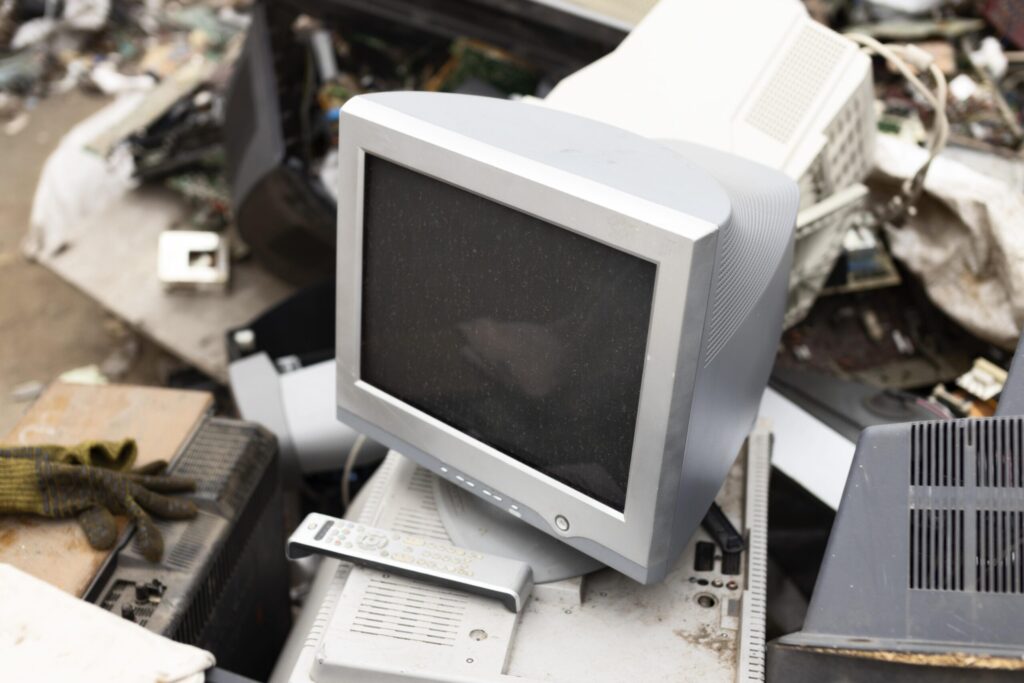
As per the Global E-waste Statistics Partnership (GESP), global e-waste volumes soared by53% in the 2014–19 phase and reached 53.6 million metric tonnes. As per the report, onlyabout one-sixth of it reached e-waste (electronic waste) recycling facilities. The rest wasillegally dumped in lower-income or middle-income economies to be recycled by informalworkers. Even though e-waste is a rapidly increasing risk for global economies, the scale of recyclingis trying to match up. The ‘E-Waste Recycling Market’ report released by Market ResearchFuture claims that the e-waste recycling market will cross USD 99.67 billion by 2030,growing at a compound annual growth rate (CAGR) of 16.2%.With humans’ ever-increasing insatiable demand for electronic devices and new-agegadgets, the only way to counter the rise in e-waste is to supercharge our endeavours torecycle them rapidly. What are the issues with increasing e-waste?Every one of us has some or the other accessory and product that would become useless inthe near future and transform into e-waste. While the usage of electronic devices is never aproblem, the fact that these contain a plethora of toxins, such as mercury, cadmium, lead,and more, which can be hazardous to our environment, is the cause of concern. How can e-waste recycling be a solution to the increasing e-waste problem?Most of these toxins and precious metals derived from e-waste can be prevented fromreaching landfills if we establish a process to recycle them. It would not only benefit theoverall balance of the ecosystem but also contribute to the betterment of people. Here is why e-waste recycling is critical for every economy: It helps keep electronic waste away from landfillsA robust e-waste recycling framework will prevent the same from reaching the landfillswhere it is known to cause contamination to soil, air, and waterways. Enabling the dumps tobe used for the purpose they were intended for would also make it easier to treat otherwaste types. Efficient recycling would lead to a reduction in the demand for virgin materialsGiven that most e-waste is inefficiently handled, most manufacturers avoid imbibing theraw materials produced from recycled waste. If we start taking recycling seriously, it willcurb the demand for virgin materials that put extra pressure on the earth’s ecosystem byincreasing greenhouse gas emissions. It helps in robust indigenous capacity buildingIt is a known fact that every economy is short of some rare earth material and ends upimporting them from those with excess supply. But if global economies start recyclingelectronic waste with greater proficiency, they would be able to curb their need to importthese materials and build their indigenous capacity for producing/extracting such materialsinstead. It helps in creating a synergy between the informal and formal sectorThose working in the informal sector specialise in e-waste collection at reasonable pricesfrom the customers. Having an e-waste recycling process in place would allow them topartner with the formal sector to undertake efficient dismantling and segregation, which isbeneficial for both the parties and the environment. Wrapping upWhile technological changes have undoubtedly contributed to reducing the overall wastegeneration, the growing demand for electronic items is not helping the case.It is imperative for manufacturers and others in the supply chain to establish stricter producttracking and introduce newer schemes that would enable them to create a circular valuechain globally and curb e-waste while improving recycling endeavours. The world isgradually starting to see e-waste not as a pollution creator but as more of a resource thatcan be a boon if adequately utilised
Recycling the Equipment at Your Data centre:
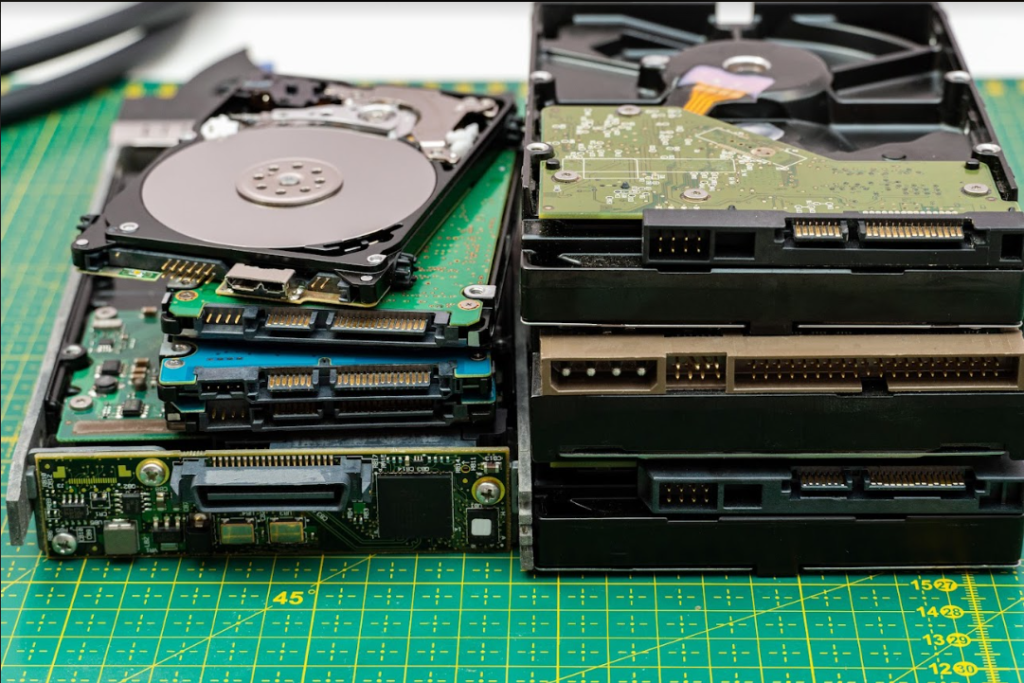
Looking at the current inventions around the globe in the IT space, data centre equipmentwill eventually become obsolete, and you will require new hardware to get the system up andrunning. What’s the best way to manage the E-waste of outdated equipment? Numerouscompanies are stockpiling end-of-life data centre hardware since they are unsure what to dowith it. Apart from the reality that this approach consumes valuable storage space that couldotherwise be employed for productive tasks, there are drawbacks to stockpiling outdatedprocessors, computers, disc drives, and other equipment. You’re well aware that your company deals with numerous sensitive information being an ITprofessional. Data on your old equipment mustn’t get misused, whether it’s data regardingprivate internal operations or personal information involving your clients. Data Centrerecycling is the most excellent option for E-Waste Management, but there are a few thingsyou should be aware of. What To Consider Before Recycling Your Old Equipment? Your organisation must compile an inventory of equipment for dismantling before discardingobsolete PCs, servers, and network infrastructure. Sticking to the asset checklist you submitto your Data Destruction Service provider is the most significant way to speed up thedisposal procedure. Apart from this, note down the following things: Understand Your Recycling Requirements. You can’t be sure that you are well-aware of every piece of hardware in your data centre,and you certainly don’t know which ones need to be replaced and which ones can be usefuluntil new equipment arrives. You should begin by reviewing your inventory and determiningprecisely what you require. Work With Reputable Professionals. Working with a reliable provider is the most critical decision when recycling your old datacentre equipment. You may rest assured that the procedure will run well if you work withtrusted professionals. Disk Eradication may be Essential. Disk eradication will be imperative if you have hardware containing customer-sensitivedetails to comply with laws such as PCI and HIPAA. A summary of eradication efficiency foreach disc may be required for verification purposes. Recycling Can Be a Cost-Effective Option. Whenever you think of eliminating your data centre equipment, data centre recycling is themost cost-effective alternative. There’s a chance you’ll be able to get some money back foryour old equipment, which can help cover the expense of getting new ones. It’s Essential to Follow Environmental Guidelines. Recycling is excellent for the environment, and organisations must follow standards whendiscarding electronic assets. Environmental restrictions are more than just guidelines, and ifyou don’t recycle properly, you could face serious legal consequences. When you recycle your data centre equipment properly, you are doing a great favour foreveryone (even your company). Your company and consumers will be unaffected, and you’llbe helping to achieve the goal of environmental protection. Further, by destroying ordisposing of the existing ones, you are creating an opportunity to leverage the newtechnology to help you stay competitive in your industry. Conclusion The above were some key points to consider regarding data centre recycling. Recycling indata centres is essential, and it is the responsibility of every company to handle it properly.One of the best moves you can make today is to include a reliable Data DestructionService. The right company will now help you recycle electrical and data centre equipment.The company can assist you with disposing of electronic waste, data centre equipment, and unused IT assets.