
The Top Solutions to eWaste Problems

Transforming trash to treasure: Discover the top solutions to tackle the rising threat of e-waste! From obsolete laptops to outdated mobile phones, electronic waste or eWaste, is a growing menace that is not only damaging the environment but also putting public health at risk. But don’t worry, in this blog, we’ve got you covered! Get ready to discover the top solutions to e-waste problems, including cutting-edge electronic waste disposal and recycling techniques that not only save the planet but also keep your devices out of the landfill. Let’s dive in! Why do we Need Effective eWaste Disposal Methods? With the rapid advancement of technology, electronic devices have become an integral part of our lives. While these devices have made our lives easier, they have also contributed to a growing environmental problem: electronic waste, or eWaste. eWaste refers to any electronic device that is no longer needed or functional, such as computers, mobile phones, televisions, and other electronic appliances. Improper disposal of e-waste can lead to pollution of soil, water, and air, as well as the release of harmful chemicals such as lead, mercury, and cadmium. Effective eWaste disposal methods are crucial in order to reduce the negative impact on the environment and public health. Electronic devices contain a variety of toxic and hazardous materials, including heavy metals and flame retardants, which can pose serious health risks if they are not disposed of properly. eWaste also contributes to the depletion of natural resources, as electronic devices contain valuable materials such as copper, gold, and silver that can be recovered through recycling. By implementing effective e-waste disposal techniques, we can reduce the amount of e-waste that ends up in landfills, protect the environment, and promote a more sustainable future. What are the Top eWaste Disposal Methods? eWaste is a growing problem that requires effective disposal methods to reduce its negative impact on the environment and public health. Here are some of the top methods for disposal of eWaste: Recycling: Recycling is an important method for electronic waste disposal. Electronic devices contain valuable resources such as copper, gold, and silver, which can be recovered through recycling. In addition, recycling reduces the amount of waste that ends up in landfills and reduces the need for new resources. There are many recycling centres that accept eWaste, and some cities even offer curbside eWaste collection. Donating: Another solution for eWaste is to donate electronic devices that are still in good working condition. Many charities and non-profit organizations accept donations of electronic devices, which can be refurbished and given to those in need. This not only helps to reduce eWaste but also helps to bridge the digital divide by providing access to technology to those who may not otherwise have it. Repurposing: Repurposing is another method for the disposal of eWaste. Electronic devices can be repurposed for a variety of uses, such as turning an old computer into a media server or using an old phone as a remote control. Repurposing not only reduces eWaste but also gives new life to old devices. Upgrading: Finally, upgrading is another solution to eWaste. Instead of disposing of an old device, it may be possible to upgrade it with new components or software. This can extend the life of the device and reduce the need for new resources. Many electronic manufacturers offer upgrade options for their products, and there are also many online tutorials and forums that can provide guidance for upgrading. Why Choose Namo eWaste as your Effective Recycling Partner? When it comes to eWaste disposal, choosing the right recycling partner is crucial. Namo eWaste is a reliable and effective recycling partner that can help you dispose of your electronic waste in an environmentally friendly manner. Here are some reasons why you should choose Namo eWaste as your recycling partner: Safe and Secure Data Destruction: Namo eWaste uses advanced data destruction methods to ensure that all sensitive data is securely erased from your electronic devices before they are recycled. This protects you from potential data breaches and ensures that your confidential information remains confidential. Environmentally Friendly: They are committed to environmentally friendly eWaste disposal. They adhere to strict environmental regulations and standards and also ensure that all electronic devices are disposed of in an environmentally responsible manner. They also work to reduce the amount of e-waste that ends up in landfills and promote sustainable practices throughout their operations. Convenient and Cost-Effective: Namo eWaste also offers convenient and cost-effective eWaste disposal solutions. They provide pick-up and drop-off services for electronic devices and offer competitive pricing for their recycling services. They also provide certificates of recycling, which can be used for compliance reporting and auditing purposes. Expertise and Experience: They have a team of experts who are knowledgeable in all aspects of eWaste disposal. They have years of experience in the industry and can provide guidance and advice on the best disposal methods for your electronic devices. They also stay up-to-date on the latest regulations and standards to ensure that their services are always compliant. In conclusion, choosing Namo eWaste as your recycling partner can provide you with a safe, secure, and environmentally responsible e-waste disposal solution. With their expertise, experience, and commitment to sustainability, you can trust that your electronic devices will be disposed of in the most effective way possible.
Sustainability in Reverse Logistics: How to Minimise Waste and Reduce Your Carbon Footprint

Nowadays, sustainability is more than a buzzword – it’s an integral part of the business. Discover how sustainable reverse logistics can transform your company’s waste management, minimise your carbon footprint, and boost customer service, all while saving costs and increasing brand loyalty. In this blog, we’ll explore the benefits of reverse logistics, delve into its role in waste management, and unveil the power of recycling in sustainable reverse logistics. What is reverse logistics? Reverse logistics is the ultimate recycling superhero of the business world, swooping in to manage the afterlife of products once they’ve fulfilled their original purpose. Unlike traditional logistics that only go in one direction, reverse logistics moves goods backwards, navigating the journey from customer to disposal with expert finesse. This dynamic process is a crucial element in the circle of commerce, encompassing everything from product returns to resource conservation and waste reduction. Benefits of reverse logistics A reverse logistics approach can be beneficial to companies if they incorporate it into their operations. Here are a few ways that reverse logistics can improve your business practices: Customer Service: By implementing a well-designed reverse logistics program, companies can improve their customer service by providing a hassle-free return and exchange process. Cost Savings: Properly managing returned products can reduce waste and minimise the costs associated with disposal. Companies can also resell returned products or reuse components, reducing the need to purchase new materials. Increased Brand Loyalty: A well-executed reverse logistics program can help build brand loyalty by showing customers that the company values sustainability and takes responsibility for its products throughout its lifecycle. What is a carbon footprint? Carbon footprint is like a shadow that follows us everywhere, revealing the impact of our daily activities on the environment. From driving a car to using electricity and consuming goods and services, every action we take contributes to the release of greenhouse gases, primarily carbon dioxide, into the atmosphere. These emissions are measured in units of carbon dioxide equivalent (CO2e), which express the combined effect of all greenhouse gases. The reduction of carbon footprint is crucial in combating climate change and preventing the adverse effects it has on ecosystems and human societies. By reducing our carbon footprint, we can create a more sustainable and brighter future for ourselves and future generations. Reverse logistics in Carbon footprint Reverse logistics holds the key to unlocking a sustainable future by not only reducing waste but also improving resource utilisation, making it an essential tool in the fight against carbon emissions. Here are some ways in which reverse logistics can help in reducing carbon footprint: Reducing waste: The reverse logistics process helps to minimise waste sent to landfills, which emit harmful greenhouse gases like methane. Returns or unsold products can be properly disposed of by companies in order to reduce waste generation and carbon footprint. Recycling: Reverse logistics programs can include recycling, which helps to conserve resources and reduce the amount of waste that is sent to landfills. Recycling also reduces the amount of energy that is required to extract raw materials, manufacture new products, and transport them to consumers. Reuse: Reverse logistics can also facilitate the reuse of products or components, reducing the need to manufacture new products and minimising the associated greenhouse gas emissions. Energy efficiency: Reverse logistics can also help to improve energy efficiency by optimising transportation routes, reducing the number of empty trips, and using more fuel-efficient vehicles. This can help to minimise the amount of greenhouse gas emissions that are generated during transportation. How do reverse logistics play a role in reducing waste? Transforming waste into opportunity, reverse logistics in waste management takes centre stage in sustainability. By breathing new life into returned products, companies can reduce their carbon footprint and cut down on environmental damage, all while preserving valuable resources for a brighter future. Here are a few examples of how reverse logistics can be used in waste management: Recycling: Many products can be recycled, but they often end up in landfills. By implementing a reverse logistics program that includes recycling, companies can reduce waste and reuse materials. Repurposing: Returned products can be repurposed and used for other purposes. This can reduce waste and save resources, which can be used to create new products. Donations: Returned products can be donated to charities or non-profit organisations. This can provide benefits to both the company and the community, as it can reduce waste and help those in need. Recycling in Reverse Logistics Recycling is a key component of sustainable reverse logistics. It involves the process of reusing materials to reduce waste and minimise the need for new resources. Here are a few ways that recycling can be used in reverse logistics: Component Reuse: Returned products can be disassembled, and their components can be reused in other products. This can save resources and reduce waste. Remanufacturing: Returned products can be remanufactured, which involves repairing and refurbishing them to be sold again. This can save resources and reduce waste. Material Recycling: Materials from returned products can be recycled and used to create new products. This can reduce the need for new materials and minimise waste. Conclusion Sustainable reverse logistics is an important aspect of modern business practices. By implementing a reverse logistics program that includes recycling and e waste management, companies can reduce waste, minimise their carbon footprint, and improve their customer service. The benefits of reverse logistics are clear, and companies that incorporate it into their operations will not only improve their bottom line but also contribute to a more sustainable future. As companies use electronic products more eWaste is generated for which the best eWaste management solution is Namo eWaste which provides full, thorough, and responsible disposal services. While recycling eWaste, their best-in-class integrated technology guarantees environmental sustainability and safety. Visit us for more info!
Importance of EPR (Extended Producer Responsibility) and Indian Government Policies
What is EPR? Did you know that by 2050, India is expected to generate 165 million tons of electronic waste annually? That’s a staggering amount of waste, and it highlights the urgent need for effective waste management policies like Extended Producer Responsibility and importance of . Extended Producer Responsibility (EPR) is a policy that requires producers, importers, manufacturers, and brand owners to take responsibility for the entire lifecycle of their products, including their end-of-life management. This provides incentives to reduce waste, encourage environmentally friendly product design, and waste management in general. The importance of EPR in managing e-waste is further highlighted by the fact that many valuable materials and resources can be recovered and reused through proper e-waste management, reducing the need for virgin materials and supporting a more sustainable economy. In India, the importance of EPR is particularly relevant for the management of waste electrical and electronic equipment (WEEE), which includes items such as computers, mobile phones, and other electronic devices. The stakeholders in this are the Producers, Producer Responsibility Organizations (PROs), dismantlers, recyclers, and refurbishers, add transporters and collection locations/centres. E-waste, Rising Risks and Responsibilities Currently, more than 50 million tonnes of eWaste is produced every year. In India, only 22.7% of electronic waste is collected, processed, and disposed of properly, leaving the rest to pollute landfills and soil. It is crucial to implement effective e-waste management due to the toxic chemicals, heavy metals, and harmful substances present in electronic waste, including cadmium, chromium, and lead, which can cause health problems such as damage to the lungs, liver, respiratory system, and brain, as well as an increased risk of cancer. Hence, it is important to comply with EPR for eWaste management and a better future. EPR for e-waste management and its compliance requires producers and importers to collect, treat, and recycle electronic items in an environmentally-friendly manner. Additionally, manufacturers must ensure that their electronic products meet RoHS (Hazardous Substance Reduction) compliance standards before they are sold.They must work with authorised recyclers and PROs only, label electronic equipment properly and provide advice on how to handle end-of-life products.It also involves stocking and disposing of end-of-life devices in authorised collection centres. EPR Policies in India This approach reflects a commitment to sustainability. However, implementing EPR management for e-waste can be a complicated and time-consuming process. Like in accordance to the Indian government’s eWaste Management Act of 2016: Producers, importers, manufacturers, and brand owners are responsible for reducing e-waste pollution according to environmental guidelines. Rule 13 (1) of the 2016 Rules grants the Central Pollution Control Board (CPCB) the authority to issue, renew, or deny EPR. The CPCB (Central Pollution Control Board) oversees the enforcement of EPR and provides specific instructions for producers on managing e-waste, including recycling, storage, disassembly, and refurbishment. EPR authorisation process Hence industry professionals are often consulted for guidance and assistance. Especially to obtain EPR authorization which typically involves: Submitting an application to the CPCB for EPR authorization, providing details of the electronic products they produce, the quantities produced, and their end-of-life management plans. The CPCB reviews the application and may request additional information from the producer if necessary. If the CPCB is satisfied with the application, it will grant EPR authorization to the producer. The authorization will specify the producer’s responsibilities for the collection, treatment, and disposal of their electronic products at the end of their life. The producer must comply with the terms of their EPR authorization, including submitting regular reports to the CPCB on their end-of-life management activities. This makes it increasingly important for the producers to take help of professionals to deal with the complex and time consuming process and take responsibility for their waste. Key Takeaways The importance of EPR, or Extended Producer Responsibility, in managing e-waste cannot be overstated. E-waste is a growing environmental concern, with millions of tons of discarded electronics posing a threat to the environment and human health. By implementing EPR programs, producers are held accountable for the entire lifecycle of their products, from design to disposal. This incentivizes producers to create products that are easier to recycle and dispose of responsibly, reducing the amount of e-waste that ends up in landfills or being illegally exported. Furthermore, EPR programs promote a more sustainable and circular economy, as materials are reused and recycled rather than being discarded. Overall, the importance of EPR in managing e-waste is crucial in ensuring a healthier and more sustainable future for our planet. The implementation of Extended Producer Responsibility (EPR) policies are important for eWaste management, to promote sustainable practices, and protect public health and the environment. However, due to the complex process, businesses may require the expertise of industry professionals to ensure they are meeting their responsibilities. By working together and investing in the necessary expertise, we can all do our part to manage e-waste responsibly and create a cleaner, more sustainable future for India.
What is Extended Producer Responsibility or EPR?
As our world becomes more digitally connected, the production and disposal of electronic products continue to increase. This is harmful to both the environment as well as poses a risk to people’s health. To deal with this issue, governments around the world have implemented Extended Producer Responsibility (EPR) programs for e-waste management. What is Extended Producer Responsibility or EPR? EPR is an approach that puts the responsibility for managing a product’s lifecycle on the manufacturers, producers, bulk consumers & importers. From production to disposal, the manufacturer, producer, bulk consumer & importer is responsible for making sure their products are environmentally sustainable and easy to recycle or dispose off. E-waste is becoming a bigger and bigger issue as we are increasingly producing and discarding electronic devices. That’s where EPR comes in for e-waste management. It motivates manufacturers, producers, bulk consumers & importers to create products that are environmentally friendly and easier to recycle or repurpose and manage them after the consumers are done with their use. It also ensures that manufacturers, producers, bulk consumers & importers pay for the collection, transportation, and treatment of their products once they’re discarded by consumers. Some of the ways this is implemented are: > Take back programs where the producer takes back the product after its use. They incentivise the consumer for return. > Designing the product in a way that is easy to dispose/recycle > Paying for the collection and management of the eWaste. Why is EPR for e-waste important? Firstly, it reduces the environmental impact of e-waste. When manufacturers, producers, bulk consumers & importers are responsible for their products’ end-of-life management, it ensures that e-waste is disposed of responsibly, and not just dumped in a landfill. Traditionally, the responsibility for managing e-waste fell on municipalities and consumers which is often inefficient and costly, as municipalities struggle to keep up with the increasing volume of e-waste and consumers may not have the necessary resources or knowledge to dispose of e-waste in a sustainable manner. EPR shifts this responsibility on the producers. This shift of responsibility upstream takes the load off municipalities and consumers and increases efficiency. But EPR isn’t just good for the environment. It’s also good for taxpayers. By shifting the cost of managing e-waste from taxpayers and governments to manufacturers, producers, bulk consumers & importers, EPR programs save taxpayers money. Finally, EPR for e-waste promotes a circular economy. When e-waste is recycled, valuable resources can be extracted from it and reused to produce new products. At NAMO, we’re all about sustainable e-waste management. We help companies and manufacturers dispose of their eWaste responsibly and according to the government policies and legal requirements. We also provide EPR registrations to the manufacturers. Our team works closely with businesses to understand their recycling goals and help them achieve it. We conduct awareness programmes to educate businesses and individuals about the importance of responsible e-waste management. We believe that raising awareness is critical in promoting sustainable practices, and we are committed to empower everyone to make a positive impact on the environment. In short, NAMO is your one-stop solution for all your e-waste management needs. From EPR registrations to meeting your goals, we have the expertise and resources to help businesses operate in a sustainable and responsible manner. So next time you are in the market for a new electronic device, remember to look for products that are designed with the environment in mind. And if you are ready to dispose of an old device, make sure to do it responsibly by recycling it with NAMO. Together, let’s reduce e-waste and create a more sustainable future.
Disposal Techniques For Electronic Waste
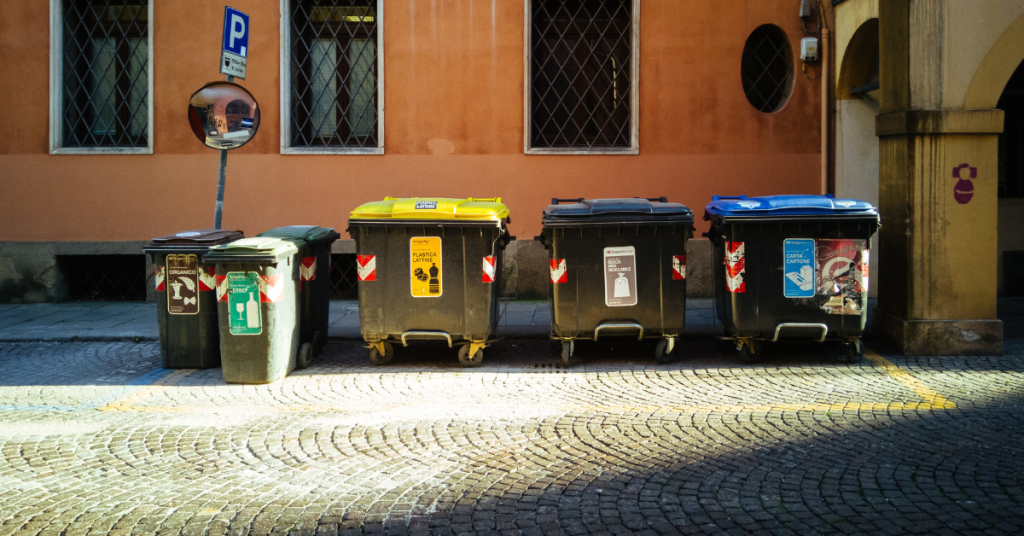
Electronic waste has become an increasingly common sight in our landfills, and the resulting toxins from these discarded devices can have potentially disastrous effects on our environment. But while many people feel helpless when it comes to eliminating their eWaste, there are ways to properly dispose of outdated gadgets or devices that no longer work – without causing harm to the environment. In this blog post, we will discuss a few methods of safely disposing of electronic waste, as well as how you can do your part to reduce eWaste in the future. What Are the Top Environmental Problems with eWaste? When it comes to electronic waste, or eWaste, there are a variety of environmental problems that can arise. eWaste can contain a number of harmful materials, including lead, cadmium, and mercury. If not disposed of properly, these materials can leach into the soil and water, causing contamination. In addition, eWaste is often shipped to developing countries where it is dumped in landfills. This can cause serious pollution problems as the toxins from the eWaste leach into the ground and enter the water supply. The best way to avoid these environmental problems is to recycle your eWaste. There are a number of companies that specialise in recycling eWaste, and they will ensure that the harmful materials are disposed of properly. How Can We Prevent It? There are many ways to prevent electronic waste, but the most effective way is to recycle. Recycling eWaste helps to conserve resources and prevent pollution. The first step in recycling eWaste is to find a certified e waste recycling company. These companies have the proper equipment to safely recycle and reuse materials from electronic products. You can search for certified recyclers in your area on the EPA’s website. Once you have found a certified recycling company, you can either drop off your old electronics at their facility or mail them in. Some companies may even offer pick-up services. Be sure to check with the recycler beforehand to see what type of packaging they require for safe transport. After your electronics have been properly recycled, you can feel good knowing that you’ve done your part to help the environment! Proper Disposal Techniques for Electronic Waste When it comes to electronic waste, there are a few proper disposal techniques that should be followed in order to ensure that the waste is properly disposed of. One of the most important things to do when disposing of electronic waste is to make sure that the waste is properly recycled. There are a few different ways to recycle electronic waste, and each method has its own benefits and drawbacks. Donate or Sell: One of the easiest ways to dispose of electronic devices is by donating them to charitable organisations or selling them to a reputable buyer. This not only reduces e-waste but also allows others to benefit from the devices. Recycling: Recycling is another effective way of managing eWaste. Recycling involves breaking down the components of electronic devices into their raw materials and reusing them to manufacture new products. Many cities have recycling centres that specialise in electronic waste, making it easy to dispose of your unwanted devices. Manufacturer Take-Back Programs: Many electronic manufacturers offer take-back programs where they take back their products for recycling or proper disposal. These programs ensure that the devices are disposed of safely and responsibly. Proper Disposal: If none of the above options are available, it is crucial to dispose of electronic devices properly. This involves finding a licensed eWaste disposal centre that adheres to local and national regulations for eWaste management. Last but not least Electronic waste is a growing concern that requires responsible management. By adopting proper disposal techniques, we can minimize the impact of eWaste on our environment and health. Whether through donation, recycling, or proper disposal, every effort counts towards reducing eWaste and promoting sustainable practices. Disposing of electronic waste correctly is important to ensure that it does not end up in landfill and cause environmental damage. With Namo eWaste, you can be sure that your old electronics will be recycled responsibly and safely. Their disposal techniques are reliable and efficient, meaning that you no longer have to worry about how to dispose of your unwanted electronics. If you’re looking for an eco-friendly way to recycle your electronics, look no further than Namo eWaste!
How is eWaste harmful to human health?
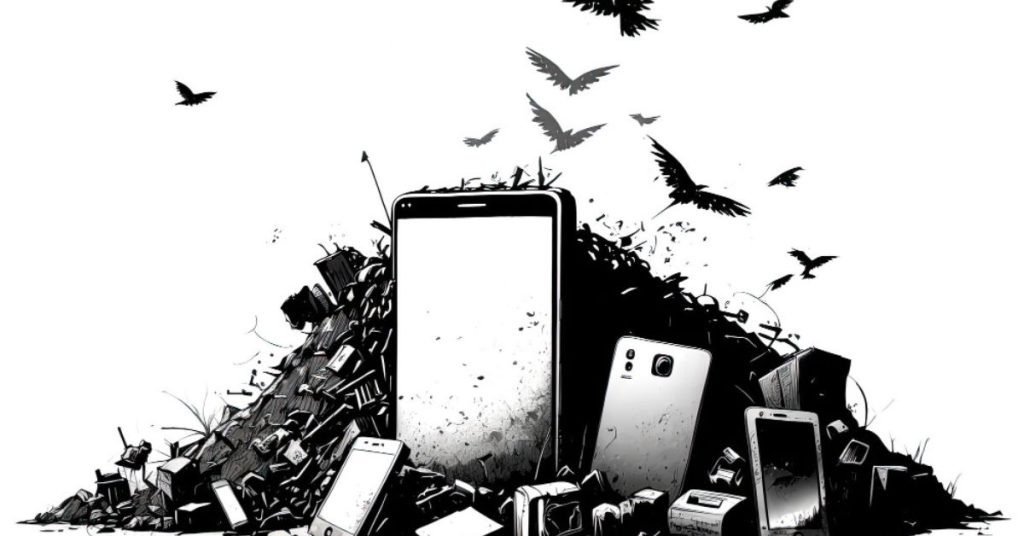
Did you know that the sleek electronic device in your hand or on your desk could be a ticking time bomb for your health and that the digital world we live in is contributing to a looming health crisis? As we embrace new technology and upgrade our electronic devices, the discarded ones are piling up, posing serious risks to human health. In a world where our dependence on technology is increasing at an exponential rate, it’s easy to forget about the impact that our electronic devices have on both the environment and our own health. In this blog, we will explore why eWaste is harmful and its negative effect on human health. Why is eWaste Harmful? As our world becomes more and more digital, electronic waste (eWaste) has become an increasingly significant problem. eWaste refers to any electronic device that is discarded or no longer functional, such as computers, televisions, and cell phones. Unfortunately, it’s not just a matter of environmental concern; it can also have serious harmful effects on human health. E-waste contains a variety of toxic materials that can pose serious health risks to humans. These include lead, cadmium, mercury, and brominated flame retardants. When these materials are released into the environment, they can contaminate the soil, water, and air. This can lead to a variety of harmful effects on human health, including respiratory problems, neurological disorders, and cancer. Effects of eWaste on Human Health E-waste isn’t just a matter of environmental concern; it can also have serious harmful effects on human health. Here are some of the most significant effects of eWaste on human health: Exposure to toxic chemicals: Many electronic devices contain hazardous materials such as lead, mercury, and cadmium. One of the most significant harmful effects of eWaste is the release of lead into the environment. Lead is commonly found in the circuit boards of electronic devices, and when these devices are discarded, the lead can leach into the soil and water. Cancer: Another harmful material found in eWaste is cadmium. This toxic metal is commonly found in batteries, and exposure to cadmium can lead to lung damage, kidney disease, and cancer. Exposure to certain chemicals found in eWaste, such as dioxins, can increase the risk of cancer. The World Health Organization (WHO) has classified dioxins as a known human carcinogen. Reproductive problems: Brominated flame retardants are another class of toxic chemicals commonly found in eWaste. These chemicals are used to reduce the risk of fire in electronic devices, but they can also be harmful to human health. Exposure to brominated flame retardants has been linked to thyroid disorders, reproductive problems, and developmental delays. Neurological problems: Exposure to lead can cause serious neurological damage, particularly in children, and can lead to developmental delays, learning disabilities, and behavioral problems. As well mercury, which is found in older-style televisions and fluorescent light bulbs, can cause neurological damage, especially in foetuses and young children. Causes of eWaste production To summarise the above effects, here are ten specific examples of how eWaste is harmful to human health: Exposure to lead, mercury, and cadmium found in eWaste can lead to neurological damage, kidney damage, and brain damage, respectively. Toxic fumes released from burning eWaste can cause respiratory problems such as asthma and bronchitis. The blue light emitted by electronic devices can interfere with the body’s natural sleep cycle, leading to insomnia and other sleep disorders. Exposure to toxic chemicals such as lead and cadmium found in eWaste can lead to infertility and other reproductive problems. Exposure to certain chemicals found in eWaste, such as dioxins, can increase the risk of cancer. Improper disposal of eWaste can contaminate the soil and water, contaminating the food chain and posing a significant risk to human health. eWaste recycling and disposal practices can release harmful gases such as chlorofluorocarbons (CFCs) that contribute to ozone depletion and global warming. Children living near informal eWaste recycling practices are especially vulnerable to the harmful effects of eWaste due to their developing immune systems and greater exposure. Exposure to the heavy metals found in eWaste can cause damage to the central nervous system and cognitive function The plastic found in electronic devices can release toxic chemicals when burned, leading to serious health problems. These are just a few of the many ways in which eWaste can harm human health. It’s crucial that we take steps to properly manage and dispose of eWaste to minimise its harmful effects. Ending Note In addition to these effects of electronic waste on health, eWaste can also have negative environmental impacts which eventually affect humans and animals in many different ways. When it’s not disposed of properly, it can end up in landfills, where it can take years to break down. During this time, the toxic materials in the eWaste can leach into the surrounding environment, contaminating the soil, water, and air. To mitigate the harmful effects of electronic waste, it is crucial to dispose of electronic devices responsibly. And if you are looking to dispose of electronic devices responsibly and sustainably Namo eWaste is your go-to solution for all your electronic waste needs! Our specialised services include secure data destruction, eWaste recycling, and eco-friendly disposal options. Trust us to dispose of your devices safely, protecting both people and the planet. Make the smart choice and choose Namo eWaste for a sustainable future!
From Toxic Trash to Sustainable Solutions: Tackling the Environmental Impact of eWaste
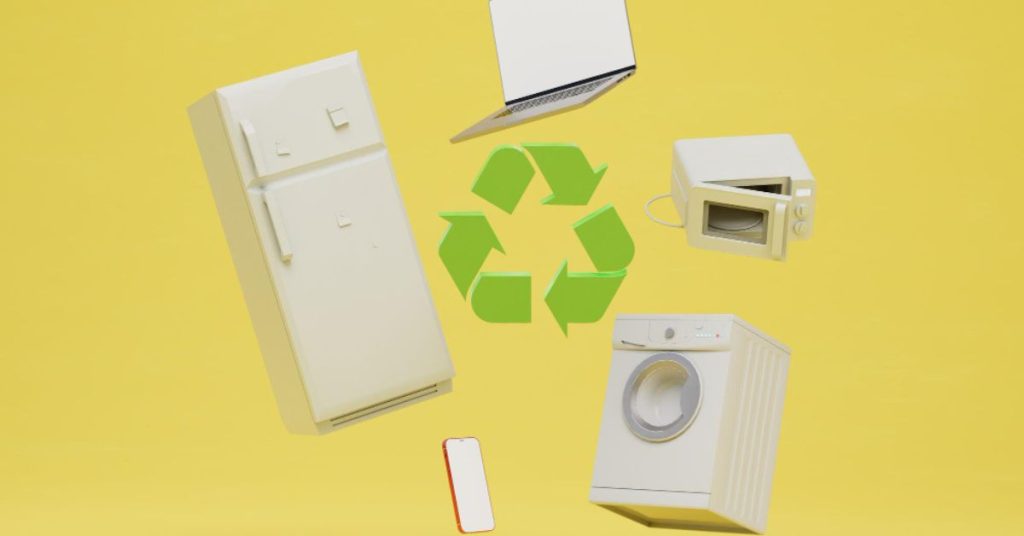
Our insatiable appetite for the latest and greatest gadgets has given rise to a growing monster known as eWaste – a menacing electronic beast lurking in our digital lives, waiting to be discarded and left to rot in landfills, poisoning the earth with a toxic brew of chemicals and heavy metals. In today’s digital age, we are all surrounded by electronic gadgets, from our smartphones to laptops, and televisions to refrigerators. However, as we continuously upgrade to newer models, our old electronic devices often end up in landfills, leading to severe environmental consequences. Electronic waste, or eWaste, is a growing problem globally, and its impact on the environment is a cause for concern. In this blog post, we’ll explore the environmental impacts of eWaste and discuss some sustainable solutions to tackle this problem. Understanding eWaste Electronic devices that have reached the end of their usable lives are referred to as “eWaste.” This includes devices like laptops, mobile phones, televisions, printers, gaming systems, and other electronic devices. As technology continues to advance at an accelerated rate and consumers frequently replace their outdated devices with newer, more sophisticated models, eWaste is an issue that is spreading quickly across the globe. When electronic waste is not properly disposed of, it can release toxic chemicals and heavy metals into the environment, presenting a significant health risk to people, animals, and ecosystems. E-Waste: What does it consist of? eWaste is a treasure trove of valuable materials that can be reused and recycled. However, it also contains hazardous and toxic chemicals that can harm the environment and human health. eWaste includes electronic devices such as smartphones, laptops, televisions, and other gadgets. These devices contain materials such as copper, gold, silver, and other metals, as well as plastic, glass, and other materials. However, they also contain toxic chemicals such as lead, mercury, cadmium, and chromium, which can be harmful to the environment and human health. These toxic materials can seep into the soil and groundwater, causing severe damage to the ecosystem. Knowing what’s contained in eWaste is crucial to finding sustainable solutions to this growing problem. By recycling and reusing these valuable materials while safely disposing of toxic chemicals, we can reduce the impact of eWaste on the environment and create a more sustainable future. Causes of eWaste production The problems of eWaste are incredibly serious and far-reaching. eWaste is a rapidly growing problem, with over 53 million metric tons generated globally in 2019 alone. This poses a significant threat to the environment and human health. Electronic devices contain hazardous and toxic chemicals such as lead, mercury, and cadmium, which can cause serious harm to the environment and human health when not disposed of properly. Moreover, the improper disposal of electronic devices can lead to the contamination of soil and water sources, resulting in environmental degradation and health problems. The social and economic impacts of eWaste are also significant, as it affects vulnerable communities, particularly those in developing countries where eWaste is often illegally exported for disposal. The severity of the problems of eWaste cannot be overstated, and urgent action is needed to address this growing problem. By adopting sustainable practices such as recycling and proper disposal of electronic devices, we can mitigate the impact of eWaste and create a cleaner, healthier future. How severe are the eWaste issues? The negative effects of eWaste are significant and far-reaching. eWaste ends up in landfills, where it releases harmful chemicals into the soil and groundwater, causing ecological damage and health problems. Additionally, eWaste incineration releases toxic gases, leading to air pollution and respiratory problems. The social and economic impacts of eWaste are also significant, as it affects vulnerable communities, particularly those in developing countries where eWaste is often illegally exported for disposal. eWaste can also contribute to the depletion of natural resources, as the materials used in electronic devices are often non-renewable. The negative effects of eWaste cannot be ignored, and urgent action is needed to address this growing problem. Moreover, eWaste can also lead to increased energy consumption and carbon emissions, contributing to climate change. The solution to eWaste problems: Namo eWaste Namo eWaste is an innovative solution to the growing problem of eWaste. It is a leading eWaste management company that offers comprehensive eWaste solutions for businesses and individuals. Namo eWaste collects, processes, and recycles electronic devices safely and sustainably, ensuring that hazardous and toxic chemicals are disposed of correctly, and valuable materials are reused. They have state-of-the-art facilities that use the latest technology to recycle eWaste, creating a circular economy that reduces the strain on natural resources. We also offer data destruction services, ensuring that sensitive information is securely erased from electronic devices. By partnering with Namo eWaste, businesses, and individuals can rest assured that their eWaste is handled responsibly and sustainably, creating a cleaner, healthier future for everyone. The solution to eWaste problems lies in adopting sustainable practices such as those offered by Namo eWaste, where eWaste is recycled and reused, reducing the impact on the environment and human health. Small steps towards Sustainability The environmental impacts of eWaste are significant, and we need to take action to tackle this problem. By adopting sustainable solutions such as recycling, reusing, donating, and creating awareness, we can reduce the amount of eWaste generated and preserve our planet’s resources. So, let’s all take a step towards a cleaner and greener future by being responsible and taking care of our electronic devices.
Recycling eWaste: Top Barriers and Solutions
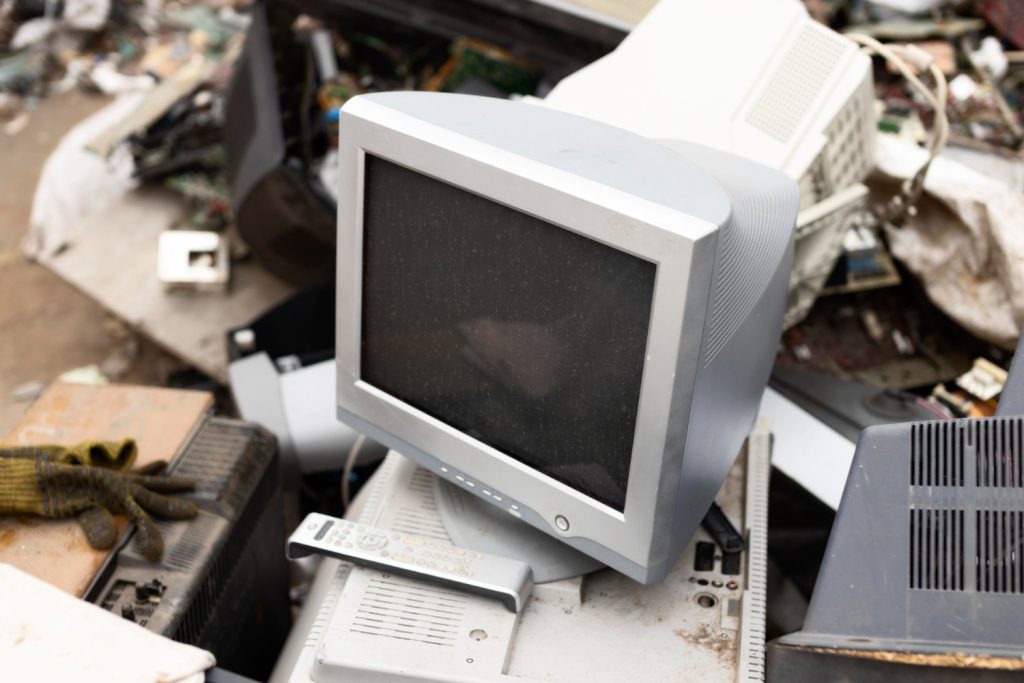
Electronic devices have become an integral part of our daily lives, but their disposal has become a growing concern for the environment. The improper disposal of electronic waste or eWaste can lead to severe environmental and health risks due to the hazardous materials used in their manufacturing. Recycling eWaste can reduce the amount of waste in landfills, conserve natural resources, and promote sustainable development. However, several barriers prevent effective eWaste recycling, including inadequate infrastructure, lack of awareness and education, inadequate policy and regulation, and inadequate funding. In this blog, we will explore the top barriers to eWaste recycling and the potential solutions to address them. By understanding these challenges and finding innovative solutions, we can pave the way towards a more sustainable future. So, let’s dive in and explore the top solutions to overcome the barriers to eWaste recycling. Top Barriers to Recycling eWaste When it comes to recycling eWaste, there are a number of barriers that can prevent individuals and businesses from properly disposing of their electronic devices. Here are some of the top barriers to recycling eWaste, as well as some solutions to help overcome them: Lack of awareness: One of the main barriers to recycling eWaste is lack of awareness about proper disposal methods. Many people are unaware that there are specific ways to recycle electronic devices, and as a result, they simply throw them away with regular garbage. Cost: Another barrier to recycling eWaste is the cost associated with proper disposal. Many recycling centres charge fees for electronics drop-off, which can deter people from recycling their devices. Limited options: In some areas, there may be limited options for recycling eWaste due to a lack of specialised facilities or programs. This can make it difficult for people to find a convenient way to recycle their electronics. Hazardous materials: Some electronic devices contain hazardous materials that require special handling during disposal. This can be another barrier to recycling eWaste, as many people are not aware of the dangers associated with certain chemicals in electronics. Data security: Finally, data security concerns can also be a barrier to recycling eWaste. Many people are hesitant to recycle their old computers or phones because they fear their personal data may be compromised in the process. Solutions to Recycling eWaste There are many ways to recycle eWaste, but some of the most common solutions include: -Sending it back to the manufacturer: Many manufacturers have programs in place to recycle old electronics. Some will even take back products that they didn’t originally sell. -Donating it to charity: There are a number of charities that accept donations of used electronics. These items can then be refurbished and sold or given to those in need. -Selling it online: A number of websites and online marketplaces specialise in buying and selling used electronics. This can be a great way to get rid of old devices while making some extra money. -Recycling it yourself: While this option takes a bit more work, it is possible to recycle many types of electronic waste at home. There are a number of detailed guides available online that can walk you through the process. How You Can Help Recycle eWaste Recycling eWaste can be a daunting task, but there are ways that you can help to make it easier. One way is to simply recycle your own electronic waste. This can be done by taking it to a local recycling centre or by mailing it in to a national recycling program. Another way to help with the recycling of eWaste is to donate old or unused electronics to charity organisations or schools. These organisations often have programs in place to ensure that the donated items are properly recycled. You can also help by spreading the word about the importance of recycling eWaste. Many people are unaware of the environmental impact of throwing away electronic waste, and so they may not realise how important it is to recycle it. You can raise awareness by talking to friends and family about the issue, or by writing articles or blog posts about it. Whatever way you choose to help, your efforts will be greatly appreciated and will make a difference in the fight against electronic waste. Long Story Short Electronic waste is a significant environmental concern, and its proper disposal is crucial for promoting sustainable development. Recycling eWaste can significantly reduce the environmental impact of electronic devices and preserve natural resources. To overcome the barriers, it is essential to establish an effective eWaste management system that involves all stakeholders, including consumers, manufacturers, government agencies, and recyclers. By investing in eWaste management infrastructure, creating awareness and education campaigns, enacting and enforcing eWaste recycling policies and regulations, and providing financial incentives for recycling eWaste, we can promote sustainable development and create a more efficient and effective eWaste management system. Overall, addressing the barriers to eWaste recycling requires collective efforts from all stakeholders. With innovative solutions and a commitment to sustainability, we can create a greener future for generations to come. At Namo, we are committed to providing safe and responsible eWaste recycling services. We understand the barriers that individuals and organisations face when it comes to eWaste disposal, and we offer solutions to overcome them. Our experienced team follows industry best practices and is certified by reputable organisations to ensure that your devices are disposed of safely and efficiently. If you’re looking for a reliable eWaste recycling service provider, look no further than Namo. Schedule a pickup call today and let us help you take the first step towards a greener, more sustainable future!
5 simple ways to completely erase your hard drive

As technology advances, it’s becoming more and more important to keep our data safe and secure. But what happens when you need to get rid of an old hard drive or computer? Simply deleting files isn’t enough – you need to completely erase all data from the device. In this blog post, we’ll look at 5 simple ways to completely wipe your hard drive. Whether it’s for security reasons or simply clearing up space, these methods will ensure that all traces of your data are erased. So let’s get started! Delete data from your hard drive When you delete a file, it isn’t really gone. Even if you empty it from the Recycle Bin, your computer just marks that space as empty and ready to be overwritten. To prevent someone from recovering your data, you need to overwrite it with random data. The process is simple: 1. Connect the hard drive you want to erase to your computer. If it’s an external drive, make sure it’s plugged in. 2. Download a data destruction program like DBAN. 3. Burn the DBAN ISO to a disc or copy it to a USB drive. 4. Boot from the DBAN disc or USB drive. If you have trouble booting from a USB drive, you may need to change your BIOS settings. 5. Select the settings you want and let DBAN do its thing. It will overwrite every sector of your hard drive, making recovery impossible. Format your hard drive When it comes to permanently erasing data from your hard drive, there are a few different ways that you can go about doing it. First things first: if you just want to delete some files or folders and don’t care about anyone being able to recover them, then you can just use the regular delete function. This will work fine for most people’s needs. But if you’re selling your computer or getting rid of sensitive information, then you need to take some extra steps to make sure that your data is completely unrecoverable. The best way to do this is to use a program like DBAN (Darik’s Boot and Nuke). This program will overwrite every single sector on your hard drive, making it impossible to recover any of the data that was previously stored on it. DBAN is free and easy to use, so it’s a great option for anyone who wants to make sure their data is truly gone for good. Another option is to physically destroy your hard drive. This isn’t as effective as using DBAN, as someone could still theoretically recover some of the data from a physically damaged hard drive. But if you want to be absolutely sure that no one can ever get their hands on your data again, then destroying your hard Use a bootable CD to erase your hard drive A bootable CD is a disc that can be used to start your computer without using the standard operating system. This makes it an ideal tool for erasing your hard drive, as it can bypass any software that may be installed on your computer. To use a bootable CD to erase your hard drive, you will need to burn the CD using an optical disc burner. Once the CD is burned, insert it into your computer and restart. The computer should boot from the CD automatically; if it does not, you may need to change the boot order in your BIOS settings. Once the computer has booted from the CD, you will be presented with a menu of options. Select the option to erase your hard drive; this will typically be labelled as “Format” or “Erase”. Follow the prompts to complete the process; once it is finished, your hard drive will be erased and you can now install a new operating system. Use a software program to erase your hard drive When you want to erase your hard drive, you’ll need to use a software program designed for the task. There are many such programs available, but we recommend DBAN (www.dban.org). DBAN is a free program that will erase all data on your hard drive, including any operating system and files. It’s important to note that once DBAN is finished, your hard drive will be completely blank – there’s no going back! To use DBAN: 1. Download the program from www.dban.org and create a bootable disk or USB drive. 2. Boot your computer from the DBAN disk or USB drive. 3. Select the type of erasure you want to perform. We recommend the ” Gutmann ” method, which is a very thorough way to erase all data from your hard drive. 4. Sit back and wait while DBAN does its job! Depending on the size of your hard drive, this process can take some time – often several hours – so be patient. Once DBAN has finished, your hard drive will be completely erased and ready for reuse Use a physical process to erase your hard drive If you want to be sure that your data is completely erased, you can physically destroy your hard drive. This will make it impossible for anyone to recover any of the data that was stored on the drive. There are a few different ways that you can physically destroy a hard drive. One popular method is to use a hammer to smash the disk platters inside the drive. This will render the disk unreadable and make it impossible to recover any of the data. Another method is to drill holes through the disk platters. This will also damage the disk so that it cannot be read, and all of the data will be lost. If you want to be absolutely sure that your data is gone forever, you can incinerate the hard drive. This will completely destroy all of the data on the drive and make it impossible to recover anything from it. In a nutshell With these five simple ways to completely erase your hard drive, you have the
What is the difference between authorised and unauthorised recyclers?
Recycling is an important part of reducing our environmental impact and helping to protect the planet. But when it comes to recyclers, it’s not always easy to tell the difference between authorised and unauthorised recyclers. It may seem like a minor distinction but choosing between an authorised or unauthorised recycler can have a huge effect on your waste disposal decisions. In this article, we will be discussing the differences between authorised and unauthorised recyclers and why it’s important to choose the right one for your needs. Authorised eWaste recyclers If you’re looking to recycle your mobile phone, you must give it away to an authorised eWaste recycler. Authorised recyclers are businesses that have been approved by mobile phone networks and manufacturers to recycle mobile phones. This means that they follow all the correct procedures for recycling mobile phones, including data wiping and environmental disposal. Unauthorised recyclers, on the other hand, are not approved by the networks and manufacturers. This means that there’s no guarantee that they will follow the correct procedures for recycling your mobile phone. So, if you want to be sure that your mobile phone is recycled correctly, make sure you use an authorised recycler. Unauthorised eWaste recyclers Several unauthorised recyclers are operating in the market. These companies are not registered with the Environment Agency and do not have a waste management licence. They may offer cheaper services than authorised recyclers, but they are not regulated and could put your business at risk. Unauthorised recyclers may: – Dispose of your waste in an environmentally harmful way – Fly-tip your waste, which could lead to fines for your business – Sell your confidential data or trade secrets If you use an unauthorised recycler, you could be liable for any environmental damage they cause. You may also be prosecuted if your waste is fly-tipped. Using an authorised recycler protects you and your business from these risks. Difference Between Authorised And Unauthorised Recyclers Many recycling companies operate without authorization from the local government. These companies are often fly-by-night operations that set up shop in an area for a short period to collect recyclable materials. Once they have collected enough material, they move on to another area. Unauthorised eWaste recyclers may not follow proper safety protocols when handling and transporting materials. They may also dump materials in illegal landfills or incinerate them, which can release harmful toxins into the environment. Authorised eWaste recyclers, on the other hand, are licensed by the government and must follow strict regulations. They are typically larger companies that have been in business for many years. Authorised eWaste recyclers must adhere to safety protocols and use state-of-the-art facilities to process materials. When deciding whether to use an authorised or unauthorised recycler, it is important to do your research. Make sure you understand the risks associated with each type of company before making a decision. In a nutshell Overall, authorised and unauthorised eWaste recyclers are different in terms of the services they can offer. Authorised e-waste recyclers have the necessary certifications and materials to break down electronic components safely, while unauthorised recyclers usually lack these qualifications and may cause environmental damage when dismantling unwanted items. Namo eWaste provides a safe alternative for electronic waste disposal with reputable authorisation as well as advanced solutions to help businesses manage their electronic waste responsibly. Namo eWaste is an example of a responsible authorised eWaste recycler and their main aim is to improve the safety and security of our environment by helping people safely dispose of their unwanted electronics.