
Where to Dispose of Electronics When You Have No Clue What to Do?
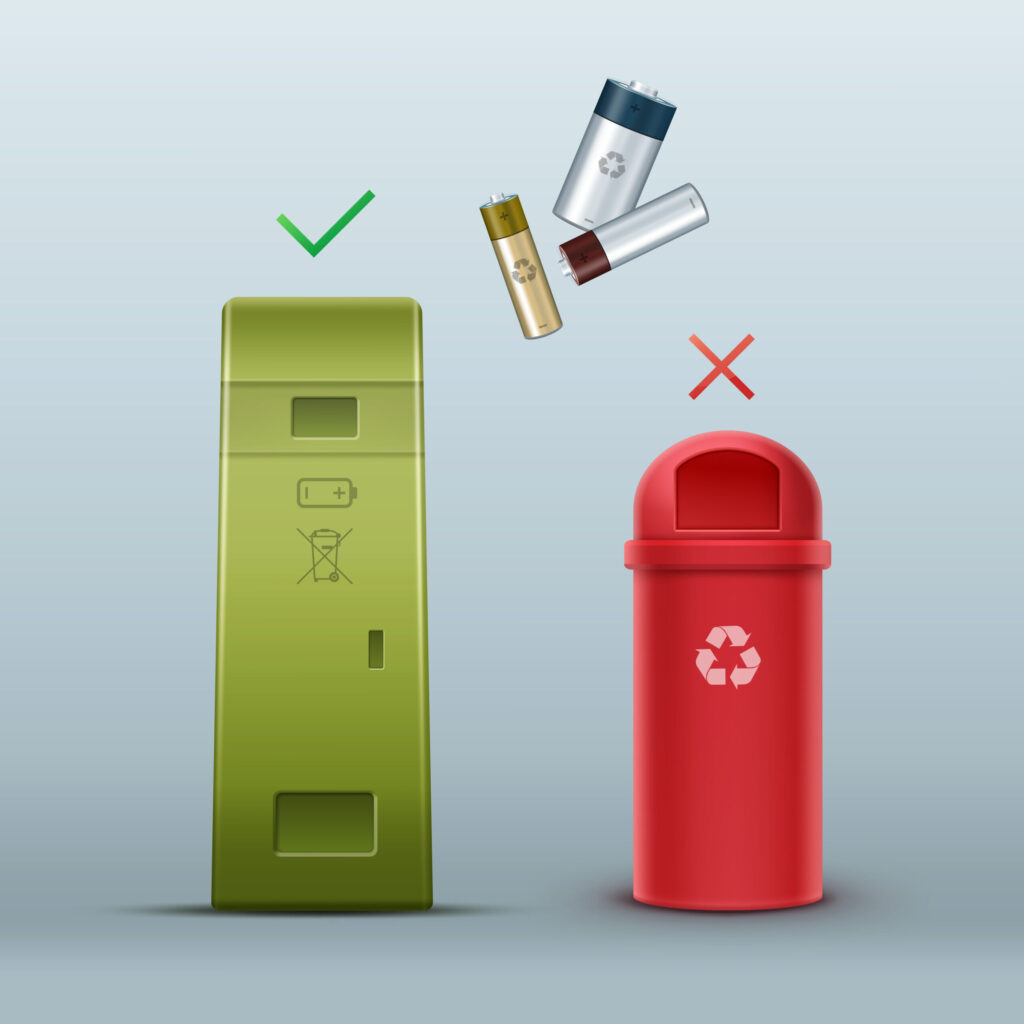
Putting electronic waste or e-waste into a landfill can cause damage to air, land, and water. Considering the negative effects of e-waste on the environment and humans, it is the need of the hour for people to find the best ways to dispose of e-waste. To make people aware of the negative impact of e-waste, many organisations are doing some great work. However, even today, there are many people who are not aware of where to dispose of e-waste. If you are one of them , this blog has all the required information about the safe disposal of e-waste. Local e-waste centre The best place to reach out for disposing of electronic waste is the local e-waste centre. With governments finally taking actions on e-waste, you can easily find these centres. To your good news, many centres also provide pick-up services that make things quite easy and convenient for people. Whatever things you may choose to dispose of, be it television, old phones, dishwashers, or even wires, these centres accept it all. Also, they follow advanced technology to ensure that the waste materials are disposed of properly. Trained people are used during the procedure to avoid any mishap. Benefits of disposing of e-waste When it comes to the benefits of disposing of e-waste in e-waste centres, there are many. One of the most important benefits is that it is a great way of saving energy. Also, your waste materials can be used to make new products. For making some electronic devices like the computer, a lot of fossil fuels are used, thus contributing to air pollution. However, when the e-waste materials are used to make new devices, the fossil fuels required are reduced, thereby benefiting the environment. Also, if the e-waste is properly disposed of, there is no risk of soil pollution and water pollution. E-waste, if not disposed of properly can release toxic metals that can be damaging to both soil and water. Final Thoughts As far as the future of e-waste disposal is concerned, people need to be more concerned about the seriousness of the issue, or else, the future would witness a damaged environment. Your future generations may be the sufferers of your carelessness and ignorance. The first step is making people aware of the hazardous impact of e-waste on the environment. People should reach out to the nearby e-waste recycling centres for all the required information. Also, the centres should be dedicated to bringing awareness among people and giving their best in the proper disposal of e-waste. If you are looking for an e-waste recycling centre, Namo eWaste offers both drop-off and pick-up services. Just reach out to them, and with the proper guidance and tips, dispose of your electronic waste safely without causing any harm to the environment. Click here for more details about Namo eWaste. It is never too late, let’s join hands together, and strive toward building a healthier planet.
Scary Effects of E-Waste on the Environment and Human Health
You must have heard of e-waste or electronic waste, and it has become a serious concern in the last few years. Talking about the negative effects of E-waste on human health and the environment, the list is unending. As far as the long-term impact of this hazard is concerned, more research is required. Considering the scary effects of E-waste, many recycling centres have been initiated in the last few years. The e-waste recycling centres put their efforts to protect human life and the planet from the impact of e-waste. Check out the scary effects of e-waste on the environment and human health: E-waste damages soil No matter what the region is, e-waste has a huge negative impact on the soil. According to the studies conducted, these waste materials release toxic metals that include lead, arsenic, etc. As these toxic metals get mixed up with the soil, the direct impact is on plants and vegetation growing from the soil. The situation worsens when humans and animals feed on these plants. As the heavy metals enter the human food supply, the impact is dangerous and can lead to severe health complications like birth defects, genetic diseases, etc. E-waste pollutes water It is vital for the e-waste to be disposed of properly, or else it may result in the pollution of water. Often industries tend to dispose of waste without treating it, and as a result, toxins start entering the groundwater. Groundwater is very important for every animal, and once it gets polluted, animals start showing signs of the negative effects. Apart from the animals, the human beings relying on the groundwater can easily be affected by toxins like mercury, lithium, barium, etc. E-waste pollutes air There are instances where the e-waste is burned by an incinerator, and it negatively impacts the air we breathe. It releases hydrocarbons into the air and makes the air unhealthy for human beings and animals. All animals and humans rely on air for oxygen which is their basic necessity, and e-waste can make this air poisonous. The increasing amount of hydrocarbons in the air contributes to the greenhouse effect. As e-waste tends to increase the greenhouse effect, it worsens the global warming situation too. What next? To sum up, by now, it is very clear that e-waste is devastating for our planet. Air, water, and soil are things very important for every human life, and causing any damage to these elements, can cause irreversible damage to the environment and human life. Although the long term effects are not yet known, the immediate impact of E-waste is dangerous. It is high time that we all need to take up the necessary steps to minimise the negative impact of E-waste. As a responsible citizen, you must get in touch with the E-waste recycling service centres. These centres are equipped with advanced technology and qualified technicians who are well-versed in the process of recycling. Delay no more, get in touch with these centres for the most feasible solution for your E-waste disposal and help the planet heal. Looking for a certified recycling centre? Namo eWaste is the best option. Click here for more details.
Haryana is one of the top states in the E-waste Management in India

Recently, it has been revealed that Haryana is doing well in terms of e-waste management than most other states in India. It is placed at the fourth position regarding the installed capacity of recycling plants. Its recycling capacity is 1.24 lakh tonnes annually. Uttar Pradesh leads the lot with an annual installed capacity of 4.94 lakh tonne. Uttarakhand is also ahead of Haryana with a 1.47 lakh tonne capacity. Tamil Nadu has a 1.32 lakh tonne capacity. The country has 468 authorised recyclers as well as dismantlers in 22 states with a total annual e-waste processing capacity of 13.86 lakh MT. The information was shared in the Lok Sabha by Ashwini Kumar Choubey, the Minister of State for Environment, Forests, and Climate Change. As per the information shared by the minister, India produced a 10,14,961.2 tonnes of electronic-waste in 2021. It is a tremendous 31.6% up from the last year. It is noteworthy that out of this, only 22% of e-waste got recycled in the country. In 2017-18, India recorded 7,08,445 tonnes of e-waste generation and 7,71,215 tonnes of e-waste production in 2018-19 , which is up by 8.86%. The e-waste management guidelines and rules were formed in 2016 that are amended frequently with time. The Environment Ministry has categorized 21 types of EEE (electrical and electronic equipment) as e-waste. Extended producer responsibility (EPR) was made part of the 2016 e-waste management guidelines. According to which the electronics devices manufacturers and bulk consumers were made liable for collecting and channelling e-waste from individual consumers to authorised recyclers, plants, or re-processing units. The guidelines provide the authority for dismantling as well as recycling e-waste to authorised recyclers who have the facility for erasing data from the device. There are many e-waste management companies having plants in India that are busy cleaning the nation’s e-waste and Namo E-Waste is at the forefront of the same. India is the third biggest contributor of e-waste in the world mainly due to more number of smart device users and other factors. The latest recorded data says that India generates about 32 lakh tonnes of e-waste yearly. It is placed below China and the US in the list. With each passing year, the volume of e-waste generated is skyrocketing. Advancements in high technology have produced enormous amounts of e-waste which lie accumulated without being processed. The advent of advanced technology and efficient electronic devices is compelling people to discard the older ones within a short period. With each electronic device going to waste, the mission of making the country e-waste free is getting tougher. The solution in sight to reduce the pollution due to toxic e-waste is to use technology and implement stricter laws and regulations. E-waste Management capacity in North India
Indian Cities must find a fix for their e-waste just like Noida

The Noida Authority recently hired two e-waste management companies to deal with the e-waste produced in the city. However, the exercise wasn’t as easy as it appeared. E-waste Bins It was found that in the absence of a proper dumpsite for e-waste, people used to dispose of e-waste in an informal and unscientific manner. Therefore the Noida Authorities placed e-waste bins alongside the regular bins at various public places about two years ago. This was to segregate the recyclable e-waste from the regular waste. However, this move did not receive the desired response. The study revealed that because all electronic items have value in the scrap market, people did not want to share them for free. Worth of E-waste To give the consumers the worth of all e-waste, the authorities made amendments to their earlier move and fixed the prices of about 75 electronic items that figured the most in the e-waste. These items included copper wires, pen drives, mobile phones, laptops, headphones, washing machines, keyboards, and refrigerators. The price was fixed for individuals and bulk consumers like IT companies etc. The e-waste items were further divided according to their usability into non-functional and functional categories and their prices ranged from Rs 10- Rs 2500 per Kg. NOIDA- An IT Hub Noida is seen as the IT hub wherein companies regularly update their infrastructure and replace old IT hardware. Even the individuals in Noida replace their electronic items within a short period. Considering this the authorities hired two authorized recyclers and firms and people could reach out to them to dispose of their e-waste with price tags. All household items along with office hardware could be easily collected and sent for recycling to enable a sustainable ecosystem and resources. This time around the authorities received the desired response. Earlier when the authorities had placed e-waste bins at 21 places, without offering the monetary benefit to the consumers for disposing of e-waste, the response they received was poor. There was hardly any e-waste collected or recycled. Consumer Behaviour The practice revealed another side of consumers both bulk producers and individuals that they still find worth in their no-longer-in-use electronic items and do not want to just let them go without getting their dues. This is one of the reasons why the scrap market and informal methods of e-waste disposal are thriving in every city. All cities and local societies must learn from this move of NOIDA and hire authorized recyclers like Namo E-waste to collect the e-waste from the city and the societies after giving the worth of the e-waste to the consumers. We can enable sustainable resources with this practice, which is also the need of the hour. Hire Namo E-waste Namo e-waste, one of the best e-waste management companies in India, offers comprehensive, responsible and effective recycling services to dispose of e-waste in a scientific manner. The Company has skilled manpower and the finest technology to extract metals from e-waste after segregating the hazardous substances from the waste. The plants and machinery owned by the company are authorized by the Central Pollution Control Board. Namo E-waste’s facility is one of the most sustainable in India with zero waste discharge technology.
E-waste Management Habits of Indians and Their Awareness Level

Although 80 % of Indians are aware of the health hazards related to e-waste yet about 50 % of Indians hoard no-longer-in-use electronic devices in their homes according to a survey conducted by Cerebra Green and MAIT and published on the news portal, Economic Times & Indiatimes. The survey was carried out across the Indian cities like Kolkata, Mumbai, Delhi, Pune, Chennai, Bengaluru, and Hyderabad and gathered responses from about 600 people regarding their awareness levels concerning e-waste management and its disposal. The survey also threw some light on the disposal practices followed by these people with the reasons behind the same. Around 68 % of the respondents did not regard local waste collectors as an alternative for disposing of their e-waste. Many responded by saying that there is no local waste collector in their area for e-waste. Therefore, about 90 % of the respondents relied on online exchange programs and local retailers to dispose of their e-waste; abiding by the guidelines for Extended Producer Responsibility (EPR). The Indian industries contribute to 70 % of the e-waste generated in India and households contribute to about 15 % of the e-waste. The remaining is counted as the end of shelf-life electrical and electronic equipment (EEE). The generation of e-waste in India had touched 3 million tonnes in 2018. It is worth noting that India is one of the countries that have the fastest growing fastest-growing consumer of electronic devices. Important Highlights from the survey: · About 80% of the respondents have knowledge regarding e-waste. · 50% of the respondents hoarded a minimum of 2 or more no-longer-in-use electronic items at home. About 30% hoarded 3-4 electronic items that should have been discarded and 20% of the respondents hoarded over 5 defunct devices. · Almost 50% of the respondents kept in their houses old electronic devices that were over 5 years old. Around 28% kept 3-4 years old electronic devices while about 23% were using two years or less old devices. · 72% of the respondents shared that the e-waste gathered in their area did not ask for e-waste from them. · 68% of the respondents shared that they did not give their e-waste to the local waste aggregator while 32% of the respondents shared that they did give their e-waste to the local collector. · About 82% of the respondents said that they never handed over their refrigerator, microwave or air conditioner, etc. to a local waste collector while 18% gave a positive reply to the same. · 47% of the respondents were making the use of their e-waste in online exchange programs, while they purchased a new one. 43% gave their e-waste to the local electronic retailers and 10% used it at the electronic brand outlets · 40% of the respondents had been using more than a five-year-old refrigerator, 37% were still having a two to five years old fridge. · 82% were interested in handing over their e-waste to unauthorized/authorized recyclers for free if they made sure to manage the e-waste properly without causing any environmental pollution. · 81% of the respondents understood about the dangerous fractions present in e-waste that require exceptional treatment for their safe disposal. However, 19% of the respondents did not know about this fact.
E-waste Helps Govt Make Money: Health Ministry Auctions E-waste Worth Rs 13 Lakh

In response to the Indian Prime Minister, Narendra Modi’s drive for ‘Swachh Bharat,’ the Union Health Ministry recently auctioned the reusable e-waste worth a whopping Rs 13. Lakh. The e-waste included IT hardware like computers, printers, photocopying machines and other spare parts. After the auction was carried out The Union Health Ministry announced the details of the auction through a tweet. They said that furthering the cause of the Prime Minister’s Swachh Bharat campaign, they auctioned the e-waste. The auction was conducted through the Central Procurement Portal. The e-waste included personal computers and other hardware which were lying unused in the office. Unused electronic items if remain unattended for long can cause harmful effects. By recycling or reusing electronic waste the government enabled sustainable resources. The move has been inspirational for people and E-waste management companies in India like Namo E-waste. If the government sets up such an example for others to follow to manage e-waste, the work of e-waste management companies reduces to a great extent as it creates general awareness among the public. We are living in a time when advancements in high technology have produced enormous amounts of e-waste which lie accumulated in offices and homes. And with each passing year, the volume of e-waste generated is skyrocketing. The quick production of advanced technology and efficient electronic devices is compelling people to discard the older ones within a short period. With each electronic device going to waste, the mission of making the country e-waste free is getting tougher. Even the devices that are in good working condition, e-waste? Many people wonder that the electronic devices that are in working condition but are lying unused do not mean they are e-waste. This is a wrong perception. If you have any electronic device placed in the house that has not been used for long, it could be harmful. It does not matter if it is kept safe or in a decent condition. If it is in a good condition it must be donated or given to a charity. It will be considered harmful because of the dangerous toxic chemicals that automatically leach from the metals present in the devices, especially the batteries. From IT and communication devices, home appliances, entertainment gadgets to electrical and electronic equipment (EEE) used for medical purposes and in other offices fall under the category of e-waste. The list of typical e-waste products appears perennial as it includes almost every electronic and electrical device that is commonly used. Is every e-waste hazardous? Generally, e-waste is considered harmful and dangerous because of leaking toxic chemicals from it. The basic composition of all electronic products contains a variety of harmful materials like lead, cadmium, beryllium, and mercury, which have the potential to cause some serious harm or damage to the precious environment and thriving wildlife. They harm the ecological balance by polluting various habitats. Leaching occurs when an e-waste item starts to break up into microscopic bits entering the landfill. And finally, these harmful traces of toxins seep into the ground under the landfill resulting in elevation of the number of toxic materials present in the groundwater. The apex health body, World Health Organization (WHO) by the United Nations has declared that risks are likely to go up after coming in direct contact with such toxic materials that leak from e-waste. Inhalation of toxic fumes is equally dangerous. The accumulation of toxic chemicals in our soil, clean water, and healthy food are detrimental to our health. Safe e-waste disposal Our government has set up a good example for others to follow, especially the bulk producers of e-waste.Recycling or donating the no-longer-in-use electronic devices aids in enabling sustainable ecosystems/resources. It always helps to dispose of e-waste through formal methods instead of dumping them out in the regular bin. The best solution is to hand over those devices to an authorized recycler or e-waste management firm skilled at performing safe recycling of e-waste products.
Data Breach Risks are high in Ineffective E-waste Management Techniques

Holiday season is around the corner; when the sale and gifting of electronic gadgets go up. People give phones and smart devices to family members and friends. This implies that the pile of discarded electronic devices goes up. People must consider recycling or gifting their old devices in order to enable sustainable resources. However, in all this, the point of concern is data security. Ineffective ways to recycle e-waste give way to data breaches. Cybersecurity is a concern these days. Personal information in e-waste units and data security Many times, it has been found that hard disk drives, smart devices, and solid-state drives contain residual data that is enough for cyber thieves to steal data. The sale of discarded electronics without the proper deletion of data creates a major risk for the consumers as well as the authorized recyclers. The residual data can be present in the form of several call logs, leftover emails, texts, videos, and pictures. Experts believe that such data is easily retrievable by people who know the trade. Some e-waste management companies unsuccessfully try to delete data from electronic devices. The most common reason behind this could be the use of unreliable methods for data deletion. The ineffective methods of data removal leave personal information completely exposed, which may be accessible to potential cybercriminals. All common means of data removal are ineffective. Businesses must be concerned about data security as their intellectual property can get stolen or misused. Manually erasing data or signing out of the devices doesn’t mean the data is deleted forever and cannot be retrieved. People who give their phones for reuse or recycling must be made aware of this fact. The data can easily be recovered by cybercriminals and hackers. Consumers must know, in fact, it is difficult to delete data from devices. Namo E-waste’s Safe Collection and Data Destruction Process Namo E-waste, an e-waste management company in India, which is also known to be an innovator with respect to e-waste disposal, provides a leading solution with 100% transparency pertaining to 100% e-waste data security while conducting electronic recycling or mobile recycling. The company not only takes up initiatives to make people aware of the right methods for e-waste disposal but also encourages them to avoid e-waste from piling up, recycling, and conserving natural resources. Electronic products that majorly contain data are computers, printers, smartphones, servers, and laptops. Digitalization has made the world stay connected and has also made people’s lives convenient, but they must be careful with respect to the threats that digital personal data is prone to. Laws concerning data security describe the way to secure personal data on active software and methods to delete the information when the consumer no longer uses the tools. However, due to a lack of awareness people end up making mistakes. Electronics get stolen during transport the most. This includes even the e-waste because of the stored data. Namo E-waste’s unique steps regarding the e-waste recycling chain make e-waste disposal secure and safe for consumers. Safe Collection ∙ Instead of using open collection containers for recycling Namo E-waste uses covered boxes, ∙ The boxes are locked during transportation and the entire process. ∙ Apart from the recipient and the sender, no one else knows the passcode of the containers to avert the loss of devices. ∙ The security is reinforced during logistics, by scanning the recycling units before sending. ∙ The scanning begins at the receiving warehouse right when the box is opened. Unique Tracking ∙ The scanned data is mapped to the shipment ID which is unique to track the recycling units during logistics. ∙ All scans are documented in a database. ∙ For clear identification, transport documents are mapped to the shipment ID stored in the database. ∙ A digital platform enables paperless and safe documentation! Secured Receiving ∙ At the receiving end, certified partners unlock the security boxes. ∙ Each unit is scanned with a barcode and flagged as ‘received. ∙ The sharing of real-time tracking details about each unit confirms the arrival of units at the recycling facility. ∙ Efforts are made to minimize additional hubs to avert the loss of the recycling units during transport. ∙ A smart scanning module is employed to improve the whole process for its efficiency Impeccable Data security ∙ Data security and e-waste management go hand-in-gloves. ∙ Devices are managed by trained staff for complete data destruction. ∙ Namo E-waste offers the secure destruction of sensitive data. ∙ They issue certificates of data sanitization and certificates of data destruction if requested ∙ Different methods of IT equipment having data storage functionalities are employed. ∙ The recycling units are completely dismantled and recycling of secondary raw materials is conducted. Points to remember ∙ As per the e-waste hierarchy, recycling devices must be sorted for their re-usable value before scrapping them. ∙ The possibilities of reusing must be made aware to the e-waste sender during concept creation. ∙ Recycling and reusing are the best ways to show your concern for the earth’s resources. ∙ If you choose to send the item for re-use ensure that your recycling partner deletes all the sensitive data from the devices before re-using them. ∙ You must review the security standards employed and maintained by the authorized recycler you choose. ∙ Ensure that standard processes are implemented in the recycling operations. ∙ Never compromise with respect to your electronic recycling processes in terms of security as well as environmental aspects. ∙ As long as you are alert, you can ensure both; the safety of your personal information as well as keeping the environment safe.
Electronic Take-Back Programs

Electronic take-back and recycling program is so designed as to extract and subsequently reuse the substances present in the electronic equipment collected. Over 99 percent of the e-waste shared by consumers is processed for recycling. Generally, take-back programs are initiated by a retailer or a manufacturer of electrical and electronics goods. The aim of the program is to gather old materials and products that are no longer used by the consumers and eventually reintroduce the products to the original plant of manufacturing for processing and recycling. Best Practices in Electronics Take-Back Programs India can take a leaf from the book on the e-waste take-back program of the US. There are many states that are performing well in terms of electronics take-back initiatives. Some of them have shared best practices and measures they take to make the take-back program a success. These states have recorded the highest collection volume of e-waste from the consumers. The states also have mandatory guidelines wherein the companies into electronic and electrical manufacturing goods have to conduct take-back programs. The e-waste collection ratio of these states is about 4 to 6.3 pounds per capita as compared to 1 pound per capita in other states that do not follow take-back programs or best practices like the following: · No set bar for consumer electronics waste: The key to receiving a high amount of e-waste is to accept all kinds of electronic products covering a wider range. This enhances the collection efficiency, allocates economic responsibility more moderately, confine more e-waste materials, and make the whole process for the public simpler. · Collection targets: Collection targets mean a fixed level playing in the field for the manufacturers and result in a high collection volume. · Giving collection incentives: Giving incentives for the amount of collection also ensures a large number of participants in the program. · Formalize informal sector. The authorities can provide aid/support in formalizing the informal sector. The restrictions imposed on informal ways to dispose of e-waste itself will create awareness among consumers. Once the awareness is there, people will try to dispose of their e-waste in a formal manner that is by handing them over to the authorized recycler or dropping them at the collection center. For this, the right infrastructure must be in place. · Collection drive organized for residents: This will ensure no amount of electronics waste ends up in the regular bins or landfills. End consumers make up a large part of the electronic buying customers but constitute only 26 % of the recycled e-waste by volume. Typical homes hoard a larger number of e-waste than commercial units. The pile of e-waste could be five times more than e-waste hoarded at business establishments. · Certification: There should be a certification by a third party for electronics recyclers. It is vital to lay stress on and implement best practices in order to collect more e-waste. Both collectors, as well as recyclers, must be encouraged to follow best practices to ensure proper management of e-waste in a state by e-waste management companies in India. Producers’ and manufacturers’ responsibility towards collection The extended producer responsibility (EPR) guidelines enable producers and manufacturers to take up a broad range of steps to achieve the e-waste targets in terms of collection. Setting up authorized collection points and centers is a must. Apart from this, they can take measures such as deposit refund plan, buyback, setting up of electronic waste take-back counters, and working in tandem with online sellers. Producers must obtain EPR authorization from the governing body. Failing to do the same must restrict them from importing. Producers and manufacturers must file an EPR plan to the concerned authority to ensure the maximum amount of e-waste collection for electronic recycling from the end-users.
Sustainable Management of Electronics

For a long time, globally there were unsustainable development patterns which along with climate changes compelled the United Nations to come up with 17 SDGs (sustainable development goals). The same was launched in 2015. These set of goals made government, businesses, and society accountable in terms of following a sustainable path, especially in terms of e-waste management. Once the SDGs were introduced, companies across the world, including biggies like Microsoft, GE, Dell, and Google, made efforts to synchronize their manufacturing process and operations to include as many SDGs as possible to achieve a sustainable management of electronics. Big Indian companies are the bulk electronic consumers and producers of e-waste. The major part of responsible management of electronics lies on them. They must exhibit an integrated practice to follow SDGs and enable sustainable resources and efficient management of e-waste. Let’s find out what it takes to align SDGs with sustainable e-waste management. Some SDGs are directly linked with e-waste recycling and management in India. SDG that focuses on sanitation and clean water stresses on enhancing water quality which can be achieved by minimizing pollution, doing away with dumping and reducing direct exposure to harmful chemicals as well as substances to safeguard/restore water connected ecosystems. This is SDG 6 and is very much relevant for companies into safe and sustainable management of e-waste. Another SDG taking care of responsible production and consumption focuses on efficient management and sustainable use of resources, environmentally friendly management of substances and chemicals, and regulation of wastes is relevant for companies planning holistic e-waste management. Even the other aspect of the SDG number 12 focuses on minimization of waste production, by following prevention, recycling, reducing and reusing, is also connected with sustainable management of e-waste by businesses interested in the same. So are Indian electronic and electrical equipment manufacturing companies exhibiting an inclusive approach with respect to e-waste management? As per a report published by BusinessWorld, many companies aren’t following an integrated e-waste management approach including policies that enable sustainability. They have a lot to be done to interlink SDGs with their working methods. Even extended producers responsibility(EPR) guidelines are in line with the sustainable development goal number 12. It can be employed to align e-waste management with SDGs. Going by the environmental policy perspective, EPR pertaining to e-waste management if followed by the respective firms can integrate a sustainable approach regarding waste disposal at electronics design level itself. The EPR is a vital tool to solve the issues of environmental degradation due to the mammoth amount of e-waste generation. By abiding by such efficient policies, relevant firms can easily touch upon their complete value chain which will eventually result in a sustainable way of handling e-waste production and management. Indian firms can follow the best practice of global IT leaders like Intel and Google that employ an integrated strategy that is aligned with SDGs. Google follows: · SDG 4(ensure education) · SDG 8(promote economic growth and decent work) · SDG 9 (build infrastructure and foster innovation) · SDG 17(strengthen means of implementation) Intel follows SDG 4, SDG 8, and SDG 12 that are well aligned with its business strategies. Companies cannot perceive strategies regarding e-waste management and SDGs as distinct and not interlinked strategies. They must, instead, adopt a comprehensive as well as inclusive approach towards both and reap benefits that are also in the interest of the nation and its people.
EPR initiatives by Xiaomi, LG, and Dell in India

In 2020, according to Global E-waste Monitor, the global production of e-waste was recorded to be 53.6 million tonnes. Contributing 3.2 million tonnes out of this, India ranked third in the list, below China and the United States of America. One can imagine the harm this huge amount of e-waste is causing to the environment as well as our health. All stakeholders need to take initiative to curb the menace of e-waste. Many e-waste management companies in India like Namo E-waste through their collection centers are taking back the discarded electronic items by consumers and bulk producers. Also, abiding by the EPR (extended producer responsibility) guidelines, producers of electronic items, big brands like LG, Xiaomi, and Dell, etc. have launched many take-back programs and are offering discounts to consumers under exchange offers of old electronic goods. LG, one of the leading companies in the consumer durable segment, has established a web of 40 e-waste recyclers to make the electronic take-back programs successful in India. Reportedly they recycled about 100 Kilo MT of electronics in the period 2017-2020. They even have customer support staff working in e-waste call centers to process the requests of consumers to collect discarded electronics. In another great EPR initiative by a manufacturer of hardware, Dell has claimed to be using plastic extracted from recycling discarded computers. The company offers e-waste management services to its consumers directly, with the help of an in-house team, in more than 75 nations. In India, Dell has 23 drop-off centers for formal e-waste disposal by consumers. Since 2006, Dell has been running their online take-back scheme in the country. As the online system of initiating requests is more convenient Dell will continue to run it. They have a future plan of reusing/recycling the same number of products as bought and used by their consumers. They expect to achieve this by 2030. Xiaomi, one of the leading players in the smartphone segment, has introduced a take-back and e-waste recycling program wherein they credit consumers’ Mi accounts with a discount coupon worth Rs 100 for every old electronic product the consumer shares for recycling. In association with their respective PRO (producer responsibility organization), Xiaomi has built 1150 collection counters at their service centers and Mi Homes in 500 big and small cities. Consumers are free to drop off their old mobile phones, dead batteries, and other discarded electronic accessories at these collection counters. Reportedly, Xiaomi has collected, in three years, over 400 tonnes of electronic waste. They aim at promoting their e-waste management programs for the end-of-life electronic products to the consumers, at the same time, creating as much awareness as possible so that many people join their e-waste management initiative and make it a success. Following the E-waste Management & Handling Rules formed in 2016, Xiaomi accepts all brands and kinds of mobile/smartphones, chargers, speakers, power banks, headphones, and various other electronic items sold in the country. The company recycles the collected e-waste. They also ask consumers to completely erase their data stored in the devices prior to handing them over for recycling. These initiatives are laudable and are in the best interest of the country and its people. However, due to a lack of awareness among people the programs do not always achieve their 100 percent goals.